


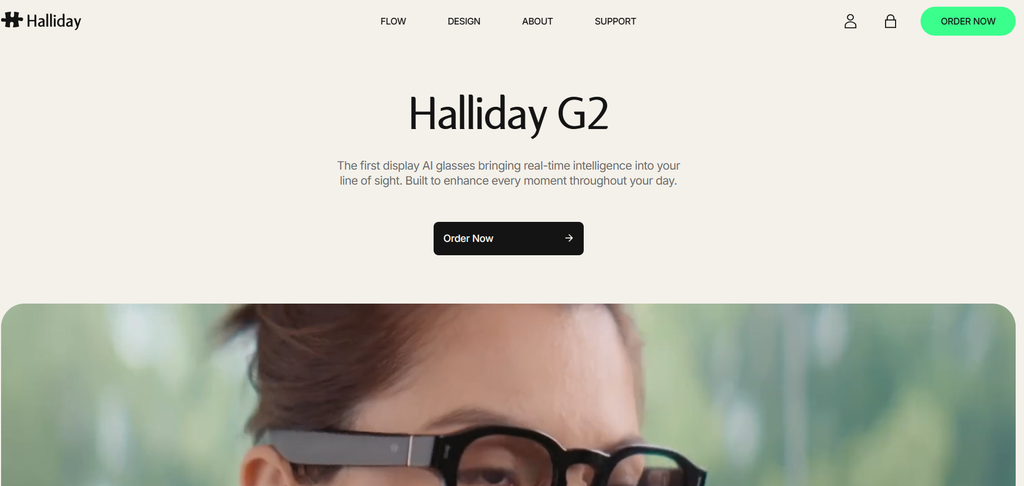
Halliday is building a different kind of wearable technology by combining everyday eyewear with artificial intelligence. Rather than placing a large, distracting display directly in front of the wearer, the brand focuses on subtle assistance through its smart glasses. Halliday describes its approach as “quiet intelligence,” designed to support conversations, meetings, memory, and everyday tasks without taking attention away from the people around you. Its glasses use a miniature optical display intended to remain discreet while providing useful information. For people interested in emerging wearable technology, this concept makes Halliday worth exploring. The overall product direction combines familiar eyewear styling with technology designed to work more naturally in everyday situations.
Halliday Design Focuses On Everyday Comfort
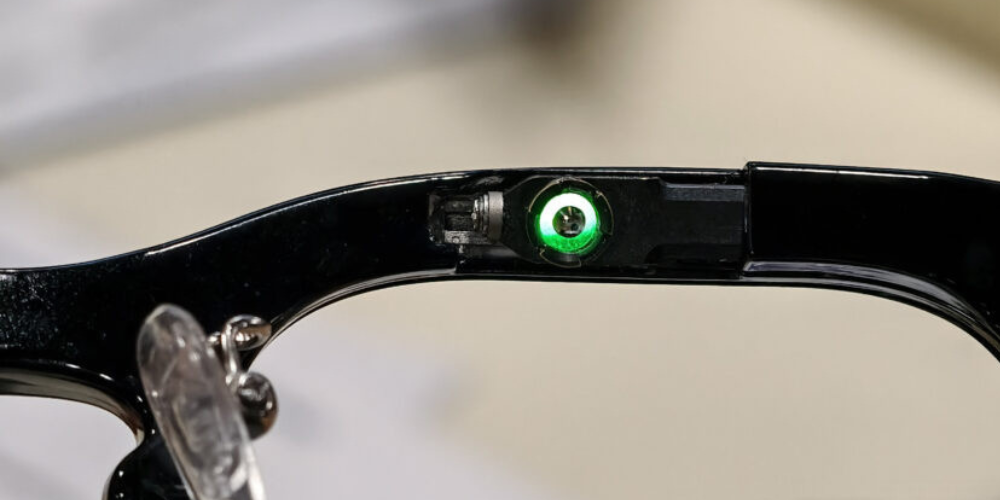
One of Halliday’s notable ideas is keeping its technology visually discreet. The company emphasizes a compact optical module designed to help the glasses maintain a conventional appearance instead of looking like bulky technological equipment. This approach can appeal to users who want smart functionality without making their eyewear the center of attention. Halliday also emphasizes a human-centered philosophy, presenting its technology as something intended to assist rather than replace human judgment. That philosophy influences the overall product experience. Instead of encouraging users to constantly interact with a screen, Halliday aims to make assistance available when needed while allowing conversations and real-world interactions to remain the primary focus. The result is an interesting balance between familiar eyewear and emerging technology.
Smart Features Support Better Conversations
Halliday’s technology is particularly focused on meetings and conversations, where remembering information and maintaining attention can be challenging. The glasses are designed around contextual assistance, potentially helping users access useful information while remaining engaged in an ongoing interaction. This makes the concept especially relevant for professionals who regularly participate in meetings, discussions, presentations, or collaborative work. Rather than functioning simply as another screen, the glasses are positioned as an intelligent companion that can provide relevant assistance during live interactions. The potential benefit is reducing the need to constantly check another device. For users who value productivity, contextual assistance, and hands-free access to information, this focus gives Halliday a distinctive place within the expanding smart-glasses category. Its usefulness ultimately depends on how naturally these features fit into individual routines.
Display Technology Takes A Subtle Approach
Display design is an important part of Halliday’s product identity. The brand has highlighted an optical module intended to remain discreet, with the goal of avoiding the obvious appearance traditionally associated with wearable displays. This can make the concept appealing to people who are interested in augmented information but do not want a conspicuous headset-style experience. At the same time, a compact display naturally involves trade-offs around how information is presented and viewed. Users should consider how easily the display can be seen in different environments and whether its presentation style suits their needs. The technology is designed around quick access to information rather than creating an immersive augmented-reality environment. That distinction is important when considering what Halliday’s glasses are intended to deliver.
Halliday G2 Expands The Wearable Concept
Halliday’s newer product direction centers on the G2, which is positioned as an intelligent pair of glasses designed around conversations and meetings. The product concept focuses on keeping important information and conversational context accessible while helping users remain engaged with people around them. This represents a broader approach to smart glasses, moving beyond simple notifications or entertainment features toward productivity assistance. The concept could be useful for professionals who manage frequent discussions and need to retain context throughout the day. However, the real value of such technology ultimately depends on how naturally the features work in everyday situations. Halliday’s emphasis on quiet assistance therefore remains central to its overall product proposition, particularly for users looking for wearable technology that feels less intrusive.
Practical Benefits For Modern Professionals
For professionals, smart glasses can potentially offer useful advantages in situations where reaching for a phone or computer interrupts attention. Halliday specifically focuses on meetings because they involve listening, remembering, responding, and making decisions simultaneously. Having contextual information available through eyewear could help users stay focused while still accessing relevant assistance. The technology may also appeal to people who frequently move between meetings, workspaces, and conversations. However, buyers should consider factors such as comfort, battery performance, software reliability, display visibility, privacy expectations, and compatibility with their everyday workflow. Smart glasses are still an evolving category, so the experience can depend heavily on individual requirements and how frequently the available features are used. These practical considerations are important alongside the product’s innovative design.
What Users Should Consider Before Buying
Halliday presents an interesting combination of conventional eyewear, artificial intelligence, and discreet display technology. Its focus on human-centered assistance separates the concept from products designed primarily around entertainment or immersive visual experiences. At the same time, prospective buyers should carefully evaluate practical aspects before purchasing. These include the specific model, available features, software requirements, compatibility, warranty terms, prescription options, and return policies. Users should also consider whether the glasses provide features that genuinely fit their daily routines. For someone searching for smart glasses built around productivity and conversations, Halliday offers an intriguing approach. Those expecting a full augmented-reality experience may need to compare its capabilities with products designed specifically for immersive visual applications. Understanding these differences can help set realistic expectations.
Halliday Review Conclusion And Final Thoughts

Halliday is developing smart glasses around a straightforward idea: technology should assist people without dominating their attention. Its discreet display approach, AI-focused functionality, and emphasis on meetings and conversations create a product concept aimed particularly at professionals and technology enthusiasts. The brand’s philosophy of keeping human judgment at the center is also reflected in how it presents its products. However, smart glasses remain an evolving category, and practical considerations such as comfort, software performance, display usability, privacy, and hardware reliability deserve attention before purchasing. Overall, Halliday provides an interesting look at how AI could become part of everyday eyewear, particularly for people seeking hands-free assistance during conversations, meetings, and work.