

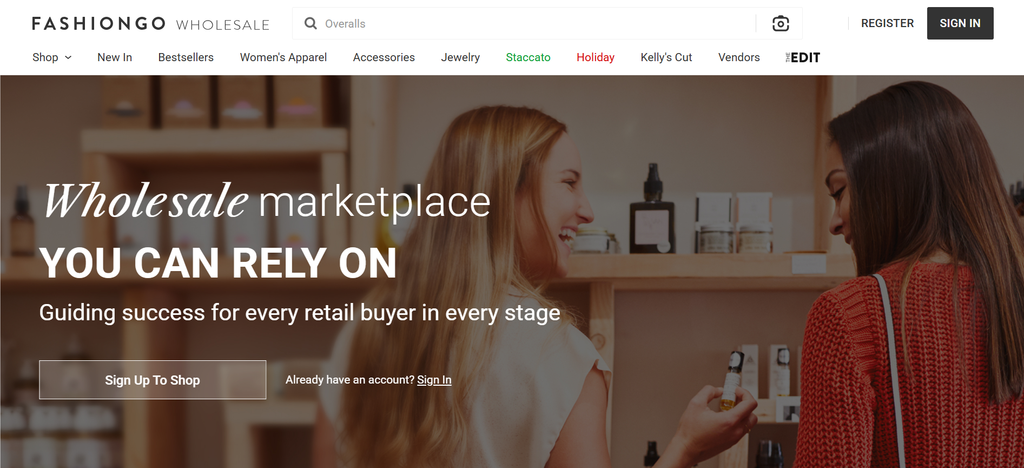
FASHIONGO is an online fashion marketplace designed to connect retailers with a wide range of wholesale fashion suppliers. The platform brings together clothing, accessories, footwear, jewelry, and other style-focused products in one digital space. For boutique owners and independent retailers, finding suitable products can involve considerable time, especially when dealing with multiple suppliers separately. A marketplace such as FASHIONGO simplifies this process by providing access to numerous collections through a centralized platform. Retailers can explore different styles, compare available products, and discover items that fit their store’s identity. Its digital approach also reflects the changing nature of fashion wholesale, where convenience, variety, and efficient product discovery have become increasingly important for modern businesses.
Exploring Diverse Fashion Categories And Collections
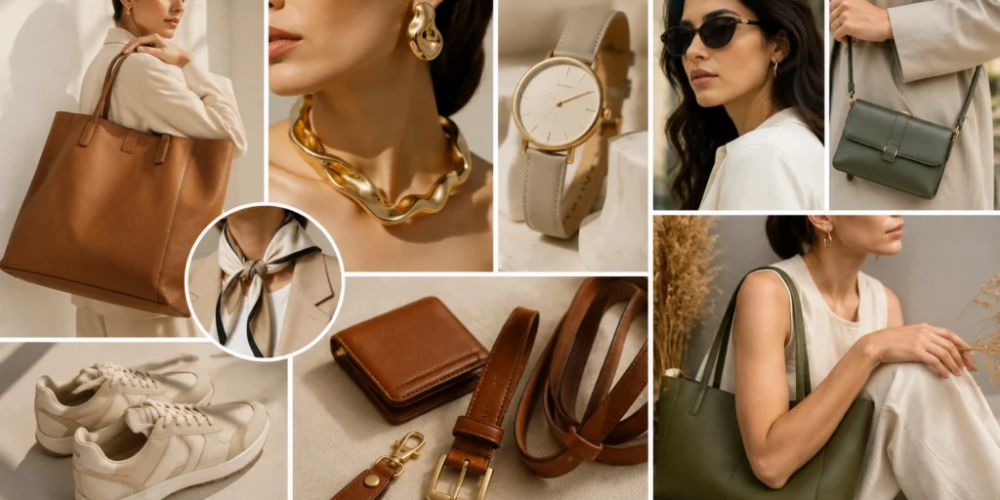
One notable aspect of FASHIONGO is the variety of fashion categories available to explore. Retailers can find options ranging from women’s clothing and men’s apparel to accessories, footwear, jewelry, and seasonal collections. This broad selection allows businesses to browse different styles without limiting themselves to a single supplier or product type. Fashion trends can change quickly, so having access to multiple collections can help retailers identify products that align with current customer interests. The marketplace can also be useful for businesses serving different customer preferences, as its assortment includes casual, contemporary, trendy, and occasion-focused pieces. With numerous products available, retailers can explore possibilities and gradually build collections that complement their individual business models.
Supporting Boutique Owners With Wholesale Options
Independent boutiques often need flexibility when selecting products for their inventory. FASHIONGO provides a wholesale-oriented environment where retailers can discover products from different fashion suppliers and brands. This can make product sourcing more organized, particularly for businesses that regularly refresh their collections. Boutique owners can review product details, examine available styles, and consider different merchandise options before making purchasing decisions. Having access to multiple suppliers can also encourage retailers to experiment with new categories or introduce fresh designs to their customers. For emerging businesses, this type of marketplace may provide a convenient starting point for discovering wholesale fashion opportunities while established retailers can use it to expand or diversify their existing product selection.
Simplifying Product Discovery And Fashion Sourcing
Searching for wholesale fashion traditionally involves communicating with individual suppliers, attending trade events, or researching separate websites. Digital marketplaces have changed this process by allowing buyers to explore products from multiple sources online. FASHIONGO follows this broader marketplace model, giving retailers a centralized place to discover fashion merchandise. Product discovery becomes especially useful when a business is preparing for a new season or looking for particular styles to complement an existing range. Instead of relying on one supplier, buyers can explore different collections and compare possibilities based on their own requirements. This approach can help make sourcing more convenient while giving retailers greater visibility into the variety of products available across the wholesale fashion marketplace.
Trends And Seasonal Styles For Retailers
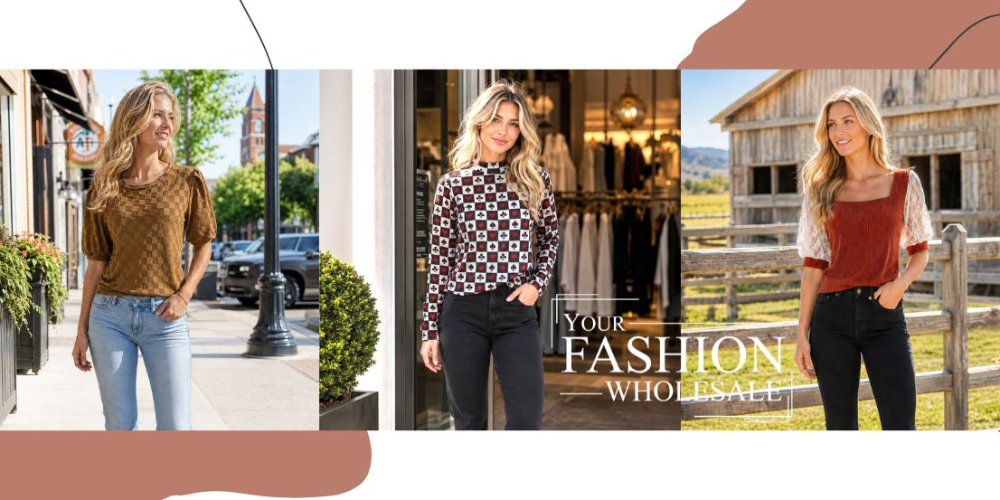
Fashion businesses constantly respond to seasonal changes, customer preferences, and emerging trends. Retailers therefore need to keep their product ranges fresh and relevant throughout the year. FASHIONGO can serve as a resource for discovering new wholesale styles across different categories. Seasonal clothing, updated colors, changing silhouettes, and accessories can all influence purchasing decisions. Retailers can browse collections with their target customers in mind and select merchandise that fits their store’s overall aesthetic. Trend awareness does not necessarily mean following every popular style, however. Successful retail collections often combine fashionable pieces with dependable essentials. A broad marketplace can give buyers the opportunity to explore both directions while creating an assortment that reflects their customers and business identity.
Building Collections Around Customer Preferences
Choosing fashion inventory requires more than simply finding attractive products. Retailers must consider their audience, price positioning, store identity, and the types of products customers regularly seek. FASHIONGO gives buyers access to different suppliers and product categories, allowing them to explore merchandise according to these considerations. A boutique specializing in everyday clothing may approach sourcing differently from a retailer focused on occasionwear or accessories. Having multiple options available can support these different strategies. Retailers can develop collections around specific customer preferences rather than relying on a limited selection. Over time, carefully selected products can help create a recognizable store identity. The marketplace therefore functions as a discovery tool, while the final assortment remains shaped by each retailer’s individual goals.
Conclusion: Understanding FASHIONGO For Fashion Retailers
FASHIONGO represents the growing role of digital marketplaces in modern wholesale fashion sourcing. By bringing together products from different suppliers, it gives retailers an accessible way to explore clothing, accessories, footwear, jewelry, and other merchandise. Its broad selection can be useful for boutique owners seeking seasonal updates, emerging styles, or additional product categories. At the same time, successful fashion retail still depends on thoughtful purchasing decisions, knowledge of customers, and a clear brand identity. Retailers can use a marketplace like FASHIONGO as a convenient starting point for discovering products and suppliers. Ultimately, its value comes from helping businesses explore a wider range of wholesale fashion possibilities within an increasingly digital retail environment.