


Building meaningful relationships with customers has become an important part of modern business growth. Brands need consistent communication, useful content, and reliable marketing tools to stay connected with their audiences. Constant Contact is a platform that brings several marketing activities together, helping businesses create and manage customer communications more efficiently. While email marketing is one of its well-known offerings, the platform also supports social media, SMS marketing, automation, contact management, landing pages, and reporting. This range of capabilities can be useful for businesses that want to organize their marketing efforts through a centralized platform. By combining practical campaign-building features with audience-management tools, Constant Contact provides businesses with resources for communicating with existing customers while also working toward attracting new audiences.
Building Stronger Connections Through Email
Email remains an important communication channel for businesses because it allows brands to reach customers directly. Constant Contact provides tools that can help businesses create newsletters, announcements, promotional campaigns, invitations, and other forms of email communication. Its visual editor allows users to arrange content without requiring advanced coding knowledge. Templates can also provide a starting point for businesses that want professionally structured messages. Images, text, buttons, links, and branding elements can be adjusted according to individual campaign requirements. Businesses can schedule messages in advance and monitor engagement afterward. This makes email marketing easier to organize, particularly for teams that regularly communicate with customers and need a straightforward way to manage multiple campaigns.
Supporting Consistent Marketing With Automation
Maintaining regular customer communication can become challenging when businesses manage every message manually. Automation can help address this issue by allowing certain communications to be triggered by customer actions or predefined conditions. Constant Contact offers automation capabilities that businesses can use for activities such as welcoming new subscribers, following up with customers, reconnecting with inactive contacts, or sending specific promotional messages. Automated communication can help brands maintain consistency while reducing repetitive administrative work. It also gives marketers more opportunities to communicate with customers at relevant stages of their relationship with a business. When thoughtfully planned, automated campaigns can complement regular newsletters and promotions, creating a more organized communication strategy without requiring marketers to monitor every individual interaction.
Expanding Campaigns Across Multiple Channels
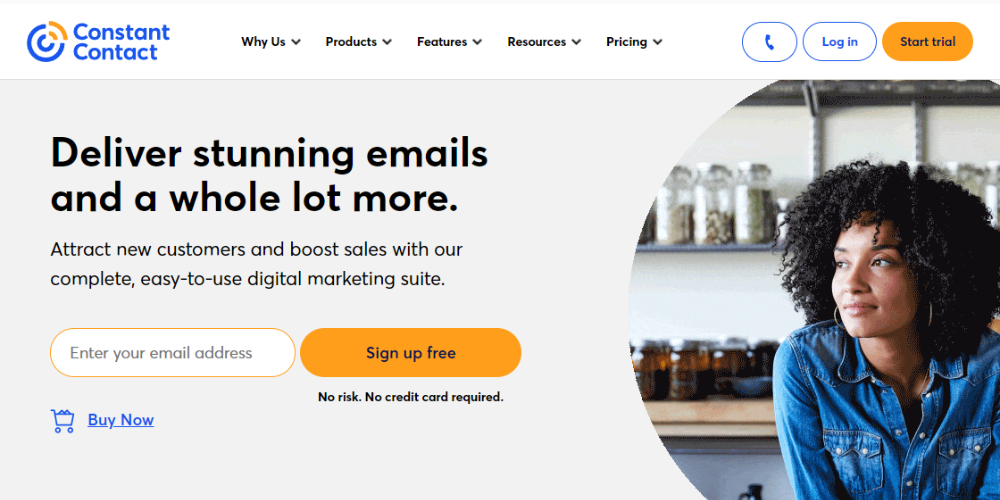
Modern audiences interact with brands across several digital channels, making multichannel marketing increasingly relevant. Constant Contact provides tools that extend beyond traditional email campaigns, including social media marketing and SMS communication. Businesses can use these capabilities to share messages through different platforms while maintaining a more coordinated marketing approach. Repurposing ideas across channels can also reduce the amount of time spent creating completely separate content for every platform. For example, a promotional message developed for an email campaign can inspire related social content. Having multiple marketing options within one environment can be particularly useful for smaller teams. Instead of managing every activity independently, businesses can organize several aspects of their customer communication within a connected marketing workflow.
Managing Contacts For Better Audience Engagement
A marketing campaign is only as useful as the audience receiving it, which makes contact management an important consideration. Constant Contact provides tools for collecting and organizing customer information through signup forms, landing pages, and other audience-building methods. Businesses can organize contacts into lists or segments according to relevant characteristics and interactions. This organization can help marketers deliver messages that are more appropriate for specific groups rather than treating every subscriber identically. Contact management can also support long-term audience development as businesses gain new subscribers and customers. Maintaining an organized database makes it easier to manage communications, understand different audience groups, and plan future campaigns. For growing businesses, these capabilities can contribute to a more structured approach to customer relationship management.
Creating Content That Captures Attention
Good marketing requires more than simply sending messages to an audience. Content needs to be relevant, visually appealing, and aligned with a brand’s overall identity. Constant Contact provides templates and design tools that can help businesses create structured marketing materials without beginning every project from a blank page. Users can incorporate brand elements such as logos, images, colors, and messaging into their campaigns. The platform also includes AI-assisted features that can help generate or refine marketing content, giving businesses another resource during the content-development process. These tools can be especially helpful for smaller teams that have limited creative resources. However, automated suggestions still benefit from human editing to ensure that the final communication accurately reflects the brand and its intended message.
Measuring Results For Smarter Campaigns
Marketing decisions become more useful when businesses can understand how audiences respond to their communications. Constant Contact provides reporting and analytics features that allow marketers to examine campaign engagement and identify useful patterns. Metrics related to email interactions, clicks, and other activities can help businesses determine which types of communication attract attention. Reviewing these results can support future decisions about content, timing, audience segmentation, and campaign structure. Businesses can gradually improve their strategies by comparing results across different campaigns instead of relying entirely on assumptions. Reporting is particularly valuable when marketing teams establish clear objectives before launching campaigns. By connecting campaign activity with measurable results, businesses can develop a more informed approach to digital marketing and continuously refine how they communicate with their audiences.
Conclusion: Building A More Connected Strategy

Digital marketing continues to evolve, but strong customer relationships remain central to sustainable brand growth. Constant Contact brings together several tools designed to help businesses manage communication, audience development, content creation, automation, and campaign measurement. Its combination of email marketing and additional channels can give businesses greater flexibility when planning customer outreach. Contact-management features can help organize growing audiences, while automation can reduce repetitive tasks and support consistent communication. Reporting tools provide opportunities to learn from campaign performance and improve future efforts. Whether a business is developing its first structured marketing strategy or looking to organize existing activities, a centralized platform can simplify many everyday processes. With thoughtful planning and relevant content, Constant Contact can serve as a useful part of a broader digital marketing strategy.