
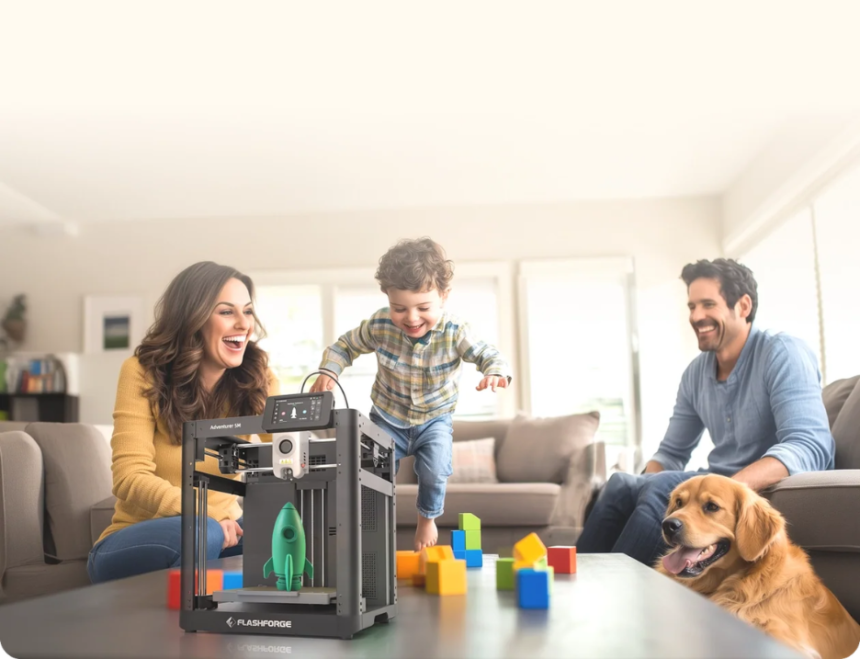
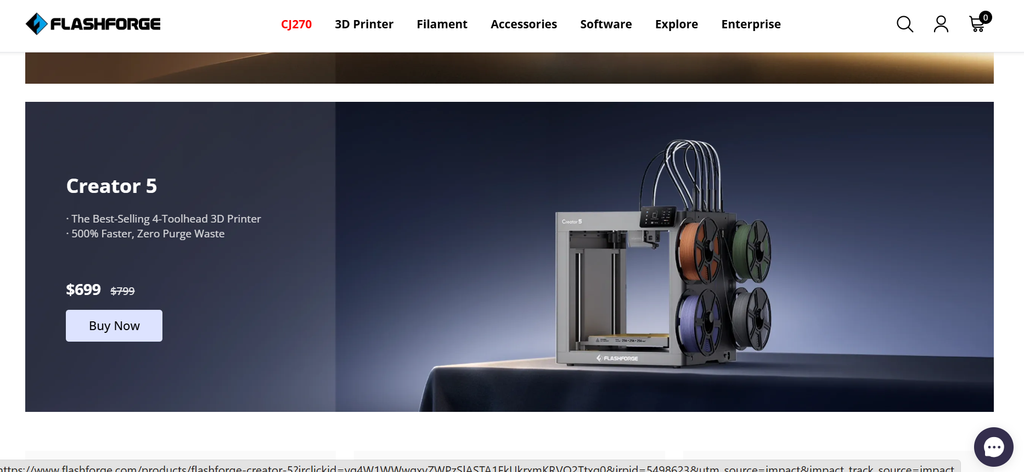
Three-dimensional printing has become an exciting way to turn digital ideas into physical objects, and Flashforge is a brand associated with making this technology more approachable. From hobby projects and educational activities to prototyping and professional applications, 3D printers can support a wide variety of creative and practical needs. What makes this technology particularly interesting is the ability to develop an idea, adjust the design, and produce a tangible result without relying entirely on traditional manufacturing methods. Flashforge offers solutions designed around different experience levels and project requirements, giving users opportunities to explore additive manufacturing at their own pace. Whether someone is experimenting with their first model or developing detailed prototypes, 3D printing can make the creative process more flexible and engaging.
Exploring Modern Possibilities Through Three-Dimensional Printing
The appeal of 3D printing comes from its ability to transform digital designs into physical creations layer by layer. Instead of removing material from a larger piece, additive manufacturing builds an object according to a prepared digital model. This approach can be useful for creating prototypes, decorative pieces, educational models, replacement components, and customized objects. It also encourages experimentation because designs can be modified and printed again without completely restarting the development process. For students and beginners, this can make technical concepts easier to understand through hands-on projects. For experienced creators, the same technology can become a valuable tool for testing ideas and refining products before moving toward larger-scale production.
Choosing Equipment For Different Creative Goals
Not every 3D printing project requires the same type of equipment, which is why understanding personal requirements is an important starting point. Beginners may prioritize straightforward operation and an accessible learning experience, while experienced makers could focus more heavily on printing capabilities, material compatibility, precision, or workflow efficiency. The size of intended projects also matters because larger designs may require a more generous printing area. Similarly, users creating functional prototypes may have different requirements from those producing artistic models. Considering these factors before purchasing equipment can help avoid unnecessary compromises. A thoughtful approach involves identifying what will be printed most frequently, how much experience the user has, and which features can genuinely improve the overall creative process.
Making Prototyping More Flexible And Efficient
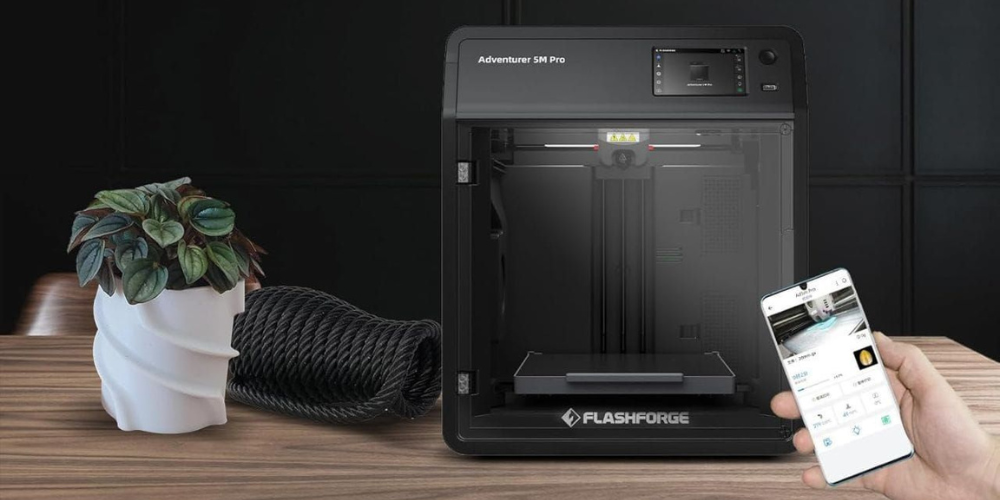
One of the strongest applications of 3D printing is rapid prototyping. Designers and businesses can create physical versions of concepts and evaluate their appearance, dimensions, functionality, and overall usability. This process can reveal design issues that may not be obvious when examining a digital model alone. Adjustments can then be made and another version produced for comparison. Such flexibility can reduce the time between an initial idea and a workable prototype. Product developers, engineers, architects, educators, and independent creators can all benefit from this approach. Rather than treating the first design as a finished product, 3D printing encourages an iterative mindset where testing, learning, and improving become natural parts of the development process.
Supporting Learning Through Hands-On Technology
3D printing can also make learning more interactive by connecting digital design with physical results. In classrooms, students can explore subjects such as engineering, geometry, architecture, product design, and technology through projects that produce tangible objects. Creating a model requires planning, problem-solving, patience, and attention to detail, helping learners develop skills beyond simply operating a machine. Students can experiment with shapes, structures, measurements, and functional concepts while seeing how their decisions affect the final result. Outside formal education, hobbyists can use similar projects to develop practical skills independently. The technology provides an opportunity to learn by doing, making complex concepts more approachable and encouraging curiosity through experimentation and repeated improvement.
Building Better Results Through Thoughtful Preparation
Good preparation can make a noticeable difference in the quality of a 3D printing experience. Before beginning a project, users should consider the design itself, the selected material, expected dimensions, and the intended purpose of the finished object. Preparing the digital model carefully can help prevent avoidable printing problems. It is also useful to understand basic concepts such as layer height, support structures, print orientation, and material characteristics. Starting with smaller and simpler projects can help beginners become comfortable with the process before attempting complicated designs. Over time, users can develop their own workflow and learn which settings work best for different projects. Patience is particularly valuable because successful 3D printing often involves experimentation and gradual refinement.
Turning Ideas Into Practical Everyday Creations
Beyond professional applications, 3D printing can become an enjoyable part of everyday creativity. Makers can design organizers, decorative objects, personalized accessories, display pieces, miniature models, and useful household components. Customization is one of the technology’s most appealing characteristics because an object can be adapted to suit specific preferences or requirements. Instead of searching for an item that perfectly matches a particular need, users can explore whether designing one themselves is possible. This can encourage creativity while also developing digital design and technical skills. Communities of makers and online design resources further expand the possibilities, giving users inspiration for new projects. With consistent practice, a simple printer can become a versatile creative tool for both functional and imaginative work.
Conclusion: Flashforge And The Future Of Making
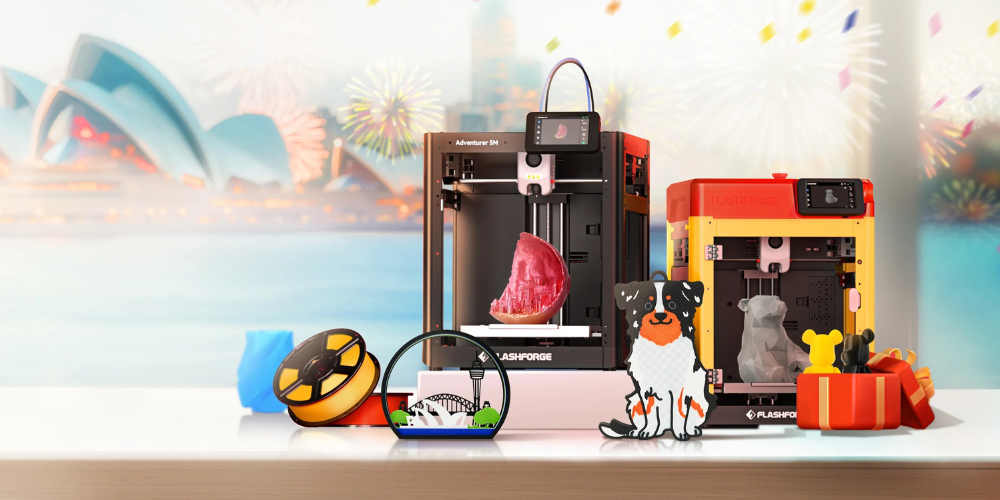
The growing interest in 3D printing reflects a broader shift toward accessible digital manufacturing and personalized creation. Flashforge represents one option for people exploring this technology across creative, educational, professional, and practical applications. The real value of 3D printing, however, goes beyond the machine itself. It lies in the freedom to experiment, create prototypes, customize objects, and transform digital concepts into physical results. As users gain experience, they can take on increasingly detailed projects while improving their understanding of design and manufacturing. Whether used for learning, professional development, hobbies, or everyday problem-solving, three-dimensional printing offers an engaging way to make ideas tangible and encourages people to approach creation with greater flexibility and confidence.