

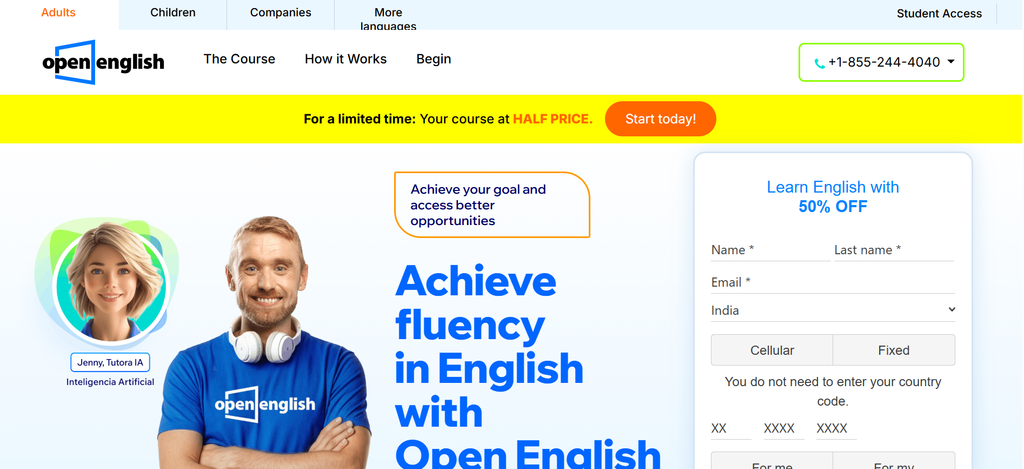
Learning a new language can create opportunities for education, travel, career development, and communication. Open English is an online language-learning platform designed to help students improve their English through digital lessons and live learning experiences. Its approach focuses on making language education accessible from different locations and schedules. Instead of relying entirely on traditional classroom settings, learners can use online resources and participate in lessons through connected devices. This format can appeal to students, working professionals, and anyone who wants to develop their English skills alongside other responsibilities. With a combination of structured learning and interactive practice, the platform offers a convenient way to make English study part of a regular routine.
Flexible Lessons Fit Different Daily Schedules
One of the main advantages of online education is flexibility, and language learning can benefit significantly from this approach. Open English allows learners to study without being tied to a conventional classroom timetable. This can be useful for people balancing work, college, family responsibilities, or other commitments. Students can organize their learning around their existing routines instead of rearranging their entire day. A flexible format may also encourage greater consistency because learners can choose study periods that suit their availability. For someone who prefers learning during quieter morning hours, while commuting, or after work, online access can make regular practice easier. Consistent exposure is particularly important when developing vocabulary, grammar, listening, and communication skills.
Interactive Practice Supports Better Communication Skills
Understanding English involves more than memorizing vocabulary and grammar rules. Learners also need opportunities to listen, respond, speak, and understand language in realistic situations. Interactive learning can therefore play an important role in building confidence. Open English incorporates opportunities for students to practice communication rather than relying exclusively on written exercises. Speaking practice can help learners become more comfortable forming sentences and expressing ideas naturally. Listening activities can also expose students to different expressions and conversational patterns. These experiences may be particularly useful for people who understand English reasonably well but hesitate when speaking. Regular interaction gives learners opportunities to identify areas where they need improvement while gradually becoming more comfortable using English in everyday conversations.
Structured Learning Helps Maintain Steady Progress
A clear learning structure can make language development easier to manage. Without an organized approach, students may move between unrelated resources and find it difficult to understand whether they are actually progressing. Open English provides a structured environment where learners can work on different aspects of the language over time. Organized lessons can help students focus on vocabulary, grammar, comprehension, pronunciation, and communication according to their individual needs. A structured approach can also make learning feel more manageable by breaking a broad objective into smaller areas. When students understand what they are working toward, they may find it easier to maintain motivation and establish a consistent study routine. Progress in language learning generally comes through regular practice rather than occasional intensive sessions.
Digital Access Makes Learning More Convenient

Technology has changed how people approach education, giving learners access to courses and resources beyond traditional institutions. Online English learning is particularly convenient because students can practice from locations where they have an internet connection. This removes the need to travel to a physical classroom for every lesson and can save time during busy weeks. Digital access can also make learning more adaptable for people living in different locations. Students may be able to continue their studies while traveling or managing changing schedules. For modern learners, this convenience can make language education easier to incorporate into everyday life. However, successful online learning still depends on having a suitable device, reliable connectivity, and enough personal discipline to participate consistently.
Learning Tools Can Encourage Independent Study
Independent learning is another important part of developing strong language skills. While guided lessons provide direction, students also benefit from reviewing material and practicing outside scheduled sessions. Online platforms can support this process by giving learners opportunities to revisit concepts and reinforce what they have studied. Independent practice may include reviewing vocabulary, listening to English content, reading articles, or practicing conversations. Developing these habits can help students become more responsible for their own progress. It also allows learners to spend additional time on areas they find challenging. Someone who struggles with pronunciation, for example, can dedicate extra practice to speaking and listening. Combining guided instruction with independent study can create a more balanced approach to language development.
English Skills Can Support Future Opportunities
English remains an important communication language across many international environments. Stronger English skills can be useful in academic settings, professional workplaces, travel situations, and online communication. For professionals, improved communication may help when participating in meetings, writing emails, presenting ideas, or interacting with international colleagues. Students may also find English valuable when accessing educational materials or considering opportunities in other countries. Travelers can benefit from being able to communicate more comfortably in unfamiliar environments. While learning English does not guarantee a particular career or academic outcome, better communication can provide an additional skill that people can use in different situations. Online learning platforms such as Open English offer one possible route for people who want to make language development part of their long-term personal or professional goals.
Conclusion: Building Confidence Through Consistent Practice

Learning English is a gradual process that requires patience, regular exposure, and opportunities to use the language. Open English provides an online approach that combines flexibility, structured learning, and communication practice for people with different schedules and learning goals. Its digital format can make language education more convenient, while interactive opportunities can encourage learners to practice beyond basic grammar exercises. Students can further support their progress through independent reading, listening, vocabulary review, and regular conversation. Ultimately, the value of any language-learning platform depends on how consistently a learner uses it and applies new skills in real situations. For those seeking a flexible way to develop English abilities, an online learning environment can be a practical part of their broader learning routine.