
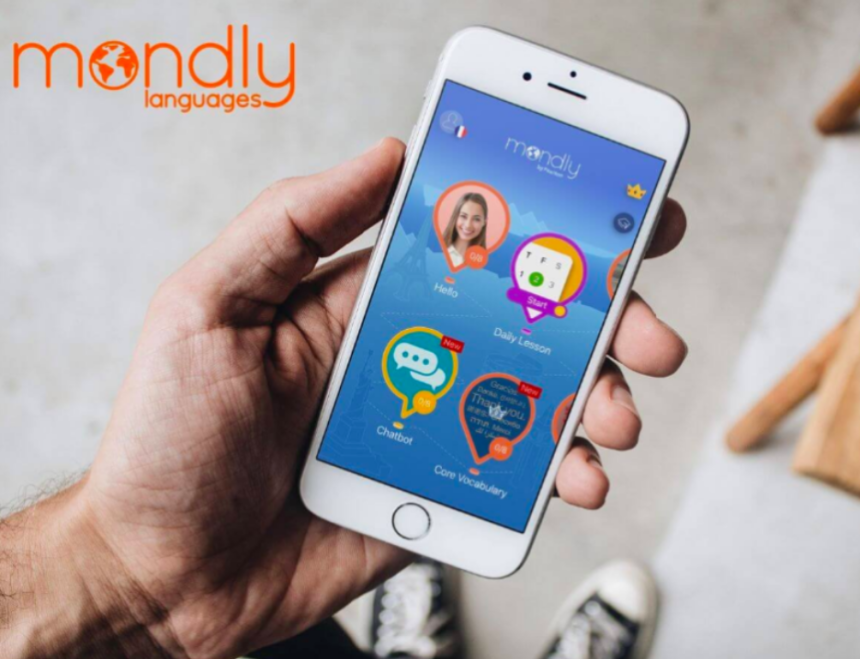
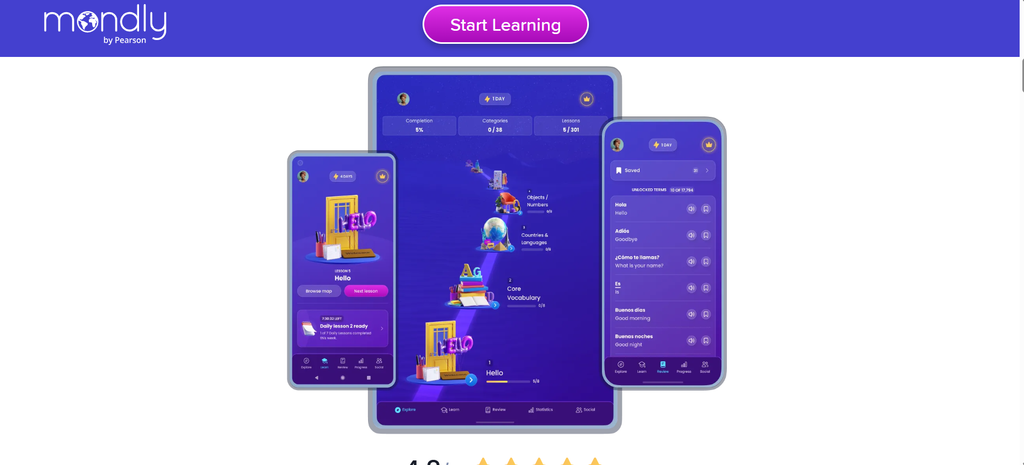
Learning a new language can open opportunities for travel, communication, education, and personal growth. However, finding enough time for regular study can be difficult when traditional courses require fixed schedules. Mondly offers a digital approach that allows people to practice languages through structured lessons and interactive activities. Its learning format is designed around manageable sessions, making it possible to fit language practice into different daily routines. Instead of depending only on textbooks or classroom instruction, learners can use digital exercises to build familiarity with vocabulary, phrases, pronunciation, and everyday communication. This flexible approach can appeal to beginners as well as people who want to refresh language skills they have studied previously.
Building Skills Through Short Daily Lessons
Consistency is an important part of learning any language, and short lessons can make regular practice easier to maintain. Mondly organizes learning into bite-sized activities that users can complete without setting aside a large portion of their day. These sessions can introduce vocabulary and expressions gradually, giving learners opportunities to review information before moving forward. Short practice periods may also feel less demanding than lengthy study sessions, particularly for people balancing work, education, family responsibilities, or travel plans. By returning to lessons frequently, learners can create a routine that supports gradual progress. This format does not eliminate the effort required to learn a language, but it can make the process feel more manageable and easier to incorporate into everyday life.
Exploring Languages For Different Interests
People choose languages for many different reasons, from preparing for international travel to communicating with relatives or exploring another culture. A language-learning platform becomes more versatile when it offers learners multiple language choices and subjects. Mondly provides access to a broad selection of languages, allowing users to choose an option based on their individual goals. Learners can focus on practical vocabulary and expressions connected with everyday situations, helping them become familiar with language they may encounter outside formal study. This variety can also encourage people to explore languages they might not otherwise consider. While the depth of study depends on the learner’s goals and level, having different options creates flexibility for users with varied interests and learning objectives.
Practicing Vocabulary In Everyday Situations
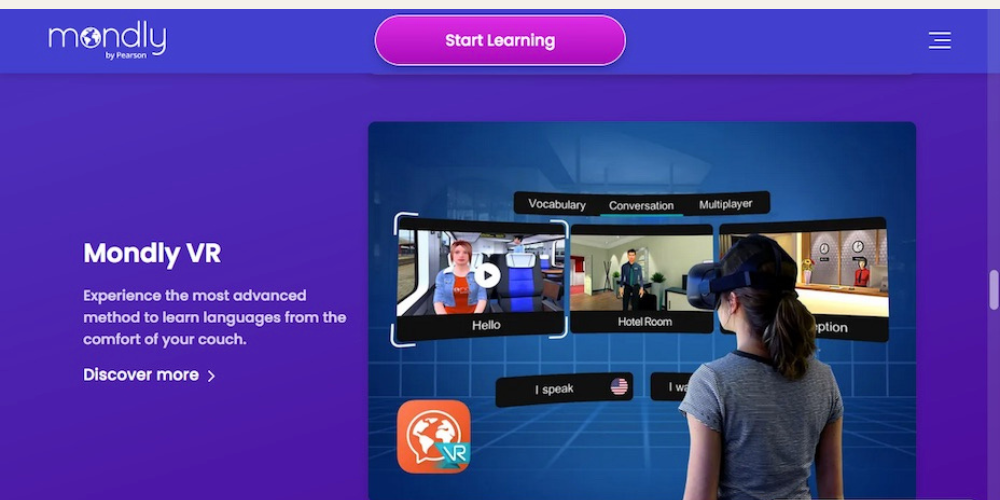
Memorizing individual words is only one part of developing useful language skills. Learners also need to understand how vocabulary works within phrases and everyday conversations. Mondly places attention on practical language, giving users opportunities to encounter expressions associated with common situations. This can help make learning feel more connected to real communication rather than simply memorizing isolated vocabulary lists. Topics related to introductions, travel, shopping, food, and other daily interactions can provide useful contexts for practicing unfamiliar words. Repeated exposure can also help learners become more comfortable recognizing and recalling expressions. For people who want to develop a practical foundation, contextual learning can be a helpful way to connect new vocabulary with situations they may eventually experience themselves.
Interactive Practice Encourages Active Learning
Digital language education can become more engaging when learners actively respond to exercises instead of simply reading explanations. Mondly incorporates interactive activities that encourage users to listen, recognize vocabulary, construct responses, and practice language through different exercises. Active participation can help break up the repetition that sometimes accompanies traditional memorization methods. Speaking-related activities may also encourage learners to become more comfortable hearing and producing unfamiliar words. These exercises are not a substitute for extended conversations with fluent speakers, but they can provide useful practice between real-world interactions. The interactive format may be particularly appealing to people who prefer learning through technology and immediate activities rather than spending long periods reading language-learning materials.
Supporting Flexible Learning Around Busy Schedules
One of the challenges of traditional language education is maintaining a consistent schedule. Work commitments, school, travel, and personal responsibilities can make fixed lesson times inconvenient. A digital platform such as Mondly allows learners to approach study sessions with greater flexibility. Users can practice when they have available time rather than necessarily following a classroom timetable. This can make language learning suitable for different lifestyles, including people who prefer short sessions throughout the day. Flexible access can also be useful for travelers preparing before a trip or individuals returning to a language after a long break. Ultimately, flexibility works best when learners create a realistic routine and continue practicing consistently instead of relying on occasional study sessions.
Combining Digital Lessons With Real Practice
A language-learning platform can provide structure, but developing strong communication skills generally involves several forms of practice. Learners can complement Mondly lessons with books, podcasts, films, music, writing exercises, and conversations. Speaking with other people can be particularly valuable because real conversations involve unexpected questions, different accents, natural expressions, and changing topics. Reading authentic material can expand vocabulary, while listening practice can help learners become more familiar with natural speech patterns. Combining different resources can therefore create a broader learning experience than relying on one method alone. Mondly can serve as one part of that process by providing organized exercises and regular practice opportunities, while additional resources can help learners apply their knowledge in increasingly realistic situations.
Conclusion: Making Language Learning More Manageable
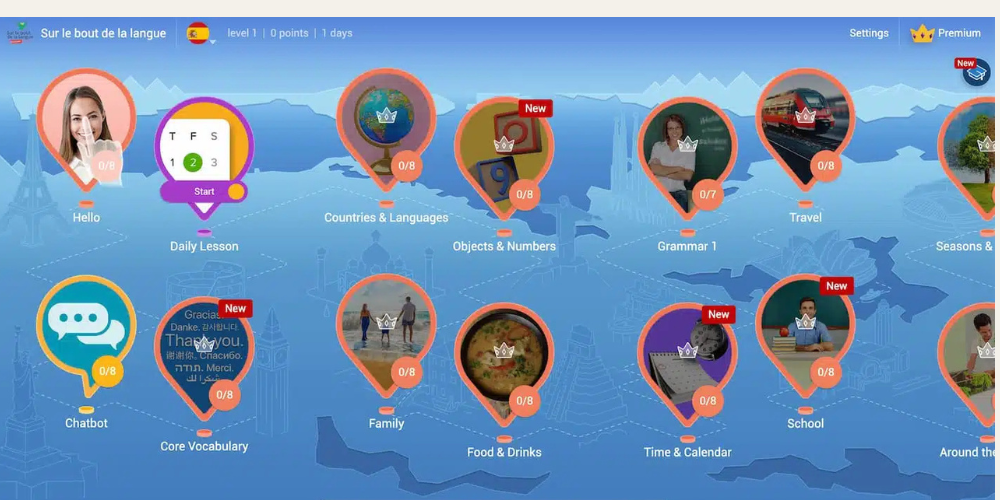
Learning a language requires patience, repetition, and a willingness to practice regularly. Mondly offers a flexible digital environment that can help learners introduce language study into their everyday routines. Its structured lessons, interactive activities, practical vocabulary, and range of language choices provide several ways to approach learning without depending entirely on traditional classroom schedules. The platform can be useful for beginners establishing basic knowledge and for existing learners looking for additional practice. However, broader exposure remains important for anyone working toward confident communication. Combining digital lessons with reading, listening, writing, and real conversations can create a more complete learning routine. For people seeking a convenient way to practice consistently, Mondly provides a practical starting point for exploring a new language.