
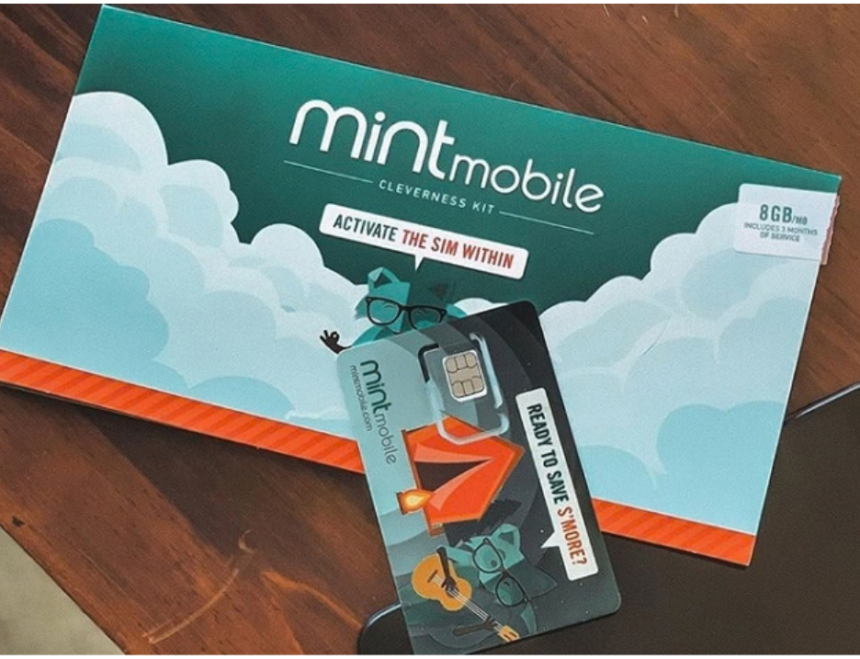
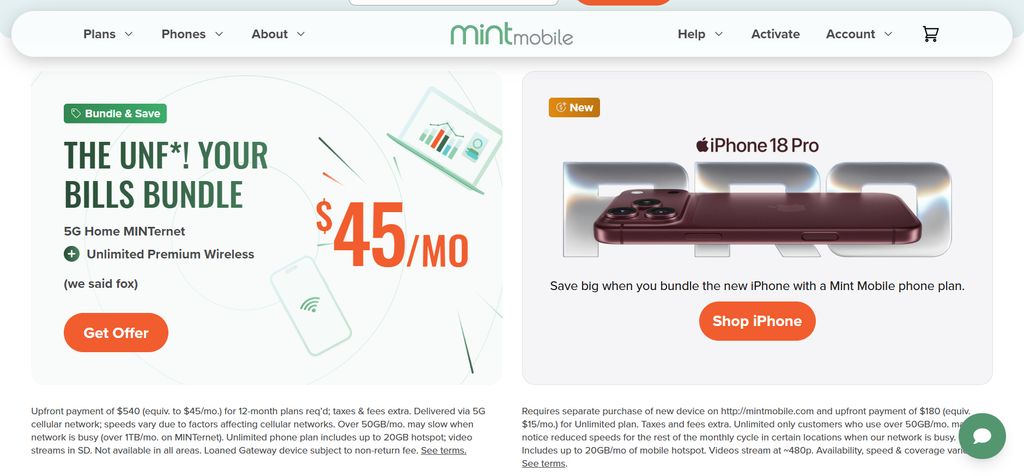
Mint Mobile has become a recognizable name in the wireless industry by offering an alternative approach to traditional mobile plans. The brand focuses on providing straightforward wireless services with different options designed around varying data requirements and budgets. Its model is particularly appealing to people who prefer prepaid-style services and want more control over their mobile expenses. Rather than making customers depend entirely on conventional long-term arrangements, Mint Mobile emphasizes flexibility and digital convenience. Customers can explore available plans, compare their needs, and manage many aspects of their service online. This approach reflects the changing expectations of mobile users who increasingly value convenience, transparency, and greater control over everyday communication services.
Flexible Plans For Different Mobile Users
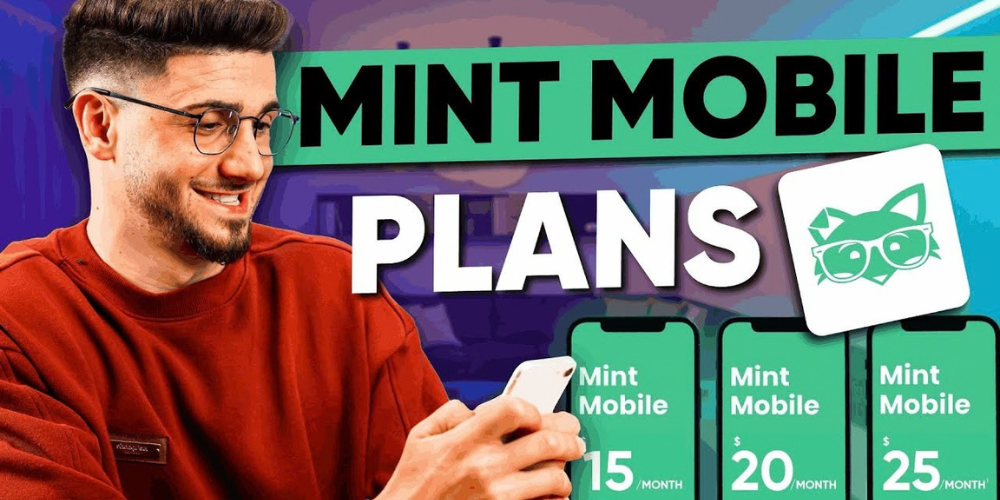
Different people use their smartphones in very different ways, and Mint Mobile’s plan structure reflects this variety. Some customers primarily use their phones for calls, messaging, and occasional browsing, while others depend heavily on mobile data for streaming, navigation, social networking, and work. Having different service options allows users to consider their personal consumption habits before selecting a plan. This can make it easier to create a mobile budget that fits their lifestyle rather than paying for features they rarely use. Customers should still examine current pricing, data allowances, renewal conditions, and other plan details before subscribing. Understanding these factors can help users select a service option that corresponds more closely with their everyday requirements.
Network Connectivity For Everyday Communication
Reliable connectivity remains one of the most important factors when selecting a mobile service provider. Mint Mobile operates on T-Mobile’s network, giving customers access to a broad wireless infrastructure across the United States. However, network performance can vary depending on geographic location, local coverage, congestion, device compatibility, and other technical circumstances. A customer living in an area with strong coverage may have a different experience from someone frequently traveling through regions with weaker availability. For this reason, prospective customers should check coverage in the locations where they spend the most time. Evaluating network availability before switching providers can help users understand whether the service is appropriate for their regular communication, browsing, and mobile data needs.
Digital Tools Simplify Account Management
Mint Mobile places a strong emphasis on digital interaction, which can be useful for customers who prefer managing services independently. Online and mobile tools allow users to handle common account-related activities without necessarily visiting a physical store. Customers can review their service information, manage payments, monitor usage, and access other account features through digital channels. This approach can save time for people who are comfortable using websites and mobile applications to manage everyday services. It also reflects a broader shift toward self-service in the telecommunications industry. While digital management can be convenient, customers who prefer extensive face-to-face assistance may want to consider how a provider’s support structure matches their personal preferences before making a decision.
Compatible Devices Make Switching Easier
For many smartphone users, changing providers does not necessarily mean purchasing a new device. Mint Mobile supports compatible smartphones, allowing eligible customers to consider bringing their existing phones when moving to the service. Before switching, however, users should confirm that their device meets the provider’s compatibility requirements. They may also need to consider whether the phone is unlocked and whether it supports the appropriate SIM or eSIM technology. Number transfers should also be planned carefully because customers generally want to maintain their existing phone numbers when changing providers. Checking these technical details before beginning the process can make switching more organized. A little preparation can help customers avoid compatibility problems or unexpected interruptions during the transition.
Mobile Service Fits Changing Consumer Habits
The way people use mobile technology continues to change, influencing what customers expect from wireless providers. Smartphones now support activities ranging from entertainment and online shopping to remote work, navigation, education, and social communication. As these habits develop, consumers increasingly look for services that can adapt to different levels of usage. Mint Mobile’s flexible approach fits into this broader movement toward customizable digital services. Customers can consider their data requirements and select an option based on how they typically use their devices. At the same time, mobile habits can change quickly, so users should periodically reassess their plans. A service that works well for moderate usage may need reconsideration if data consumption increases substantially.
Understanding Costs Before Choosing Service
Price is naturally an important consideration when comparing wireless services, but the advertised monthly cost is only one part of the overall picture. Customers should examine what is included in a plan, how much data is available, what happens after the selected service period, and whether taxes or other charges apply. Promotional offers can also have specific conditions or limited availability. Looking beyond the headline price gives customers a clearer understanding of the potential long-term cost. It is also useful to compare similar plans from different providers rather than comparing prices in isolation. By considering coverage, data, device compatibility, service terms, and overall expenses together, consumers can make a more informed wireless purchasing decision.
Conclusion: Mint Mobile Supports Flexible Connectivity
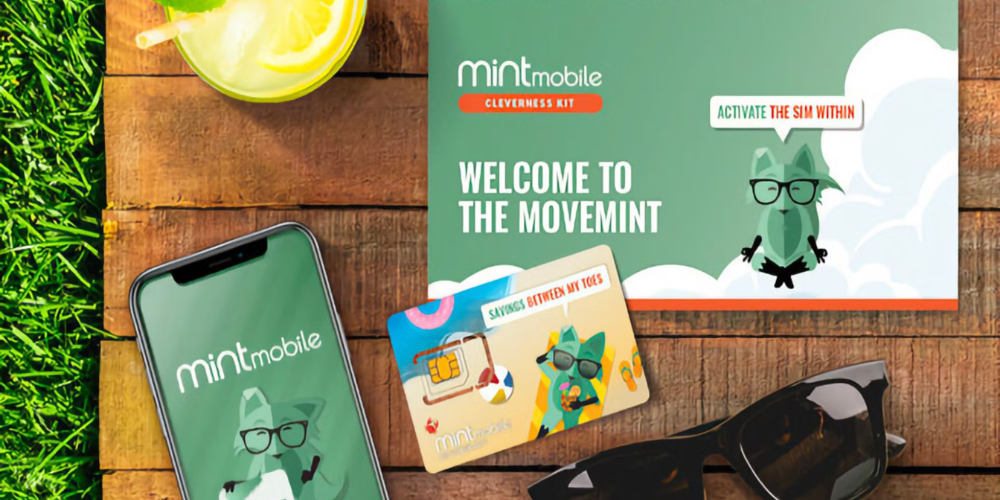
Mint Mobile represents a modern approach to wireless service, combining flexible plan choices with digital account management and access to T-Mobile’s network. Its services can accommodate different types of mobile users, from people with modest data requirements to customers who rely more heavily on smartphone connectivity. The brand’s digital-first model can also make routine account management convenient for users who prefer self-service tools. However, every customer has different priorities, making it important to examine coverage, device compatibility, pricing, data requirements, and service conditions before switching. As mobile technology continues to become central to everyday life, flexible wireless options such as Mint Mobile demonstrate how providers are adapting to changing consumer expectations and communication habits.