
LEGO has remained a familiar name in creative play, offering building experiences that appeal to children, teenagers, adults, collectors, and hobby enthusiasts. The brand is widely recognized for its interlocking bricks, detailed themed sets, and emphasis on imagination. What makes LEGO particularly interesting is the freedom it gives users to follow instructions or create something entirely original. From simple starter sets to elaborate models, there is a broad range of options for different interests and skill levels. The building process can also encourage patience, concentration, planning, and problem-solving. Overall, LEGO provides a flexible experience where entertainment and creativity naturally come together through hands-on construction.
Building Experiences For Different Interests
One of the strongest aspects of LEGO is its wide variety of building themes. Users can explore vehicles, architecture, fantasy worlds, space adventures, animals, cities, technology-inspired models, and many other concepts. This variety makes it easier for people to find sets that match their existing interests. Some collections focus on straightforward construction, while others introduce more intricate designs that require greater attention to detail. The availability of different sizes and complexities also allows users to gradually move toward more challenging projects. Whether someone prefers a quick afternoon activity or a detailed project requiring several sessions, LEGO offers building experiences that can fit different preferences and levels of commitment.
Design Quality Supports Creative Play
The quality of a building experience depends heavily on how pieces fit together and how clearly the final model comes together. LEGO sets generally provide structured instructions that break larger projects into manageable stages. This approach can make complicated-looking creations feel more achievable during construction. At the same time, the individual bricks can be reused in countless combinations, allowing builders to move beyond the original instructions. This balance between guided building and open-ended creativity is an important part of the appeal. Instead of limiting users to one finished product, the pieces can become the foundation for completely different ideas, encouraging experimentation and personal expression after the initial model is completed.
Learning Benefits Beyond Entertainment

Building activities can offer benefits that extend beyond simple amusement. Following construction steps requires attention, sequencing, and patience, while experimenting with different designs can encourage problem-solving and spatial thinking. Younger builders may also become familiar with basic concepts involving balance, structure, patterns, and shapes. For older users, more complex projects can provide a relaxing way to concentrate on one task for an extended period. LEGO can therefore work well as both an entertainment product and a creative learning activity. Its hands-on format gives users an opportunity to engage with physical objects rather than relying entirely on screens, making building a practical addition to different kinds of recreational routines.
Collecting Adds Another Layer
For many enthusiasts, LEGO becomes more than an occasional building activity and develops into a collecting hobby. Certain sets can attract attention because of their design, theme, size, or display potential. Completed models can become decorative pieces for bedrooms, offices, shelves, or dedicated hobby spaces. Collectors may also enjoy organizing sets according to themes or personal interests. However, collecting can require considerable space, time, and spending, particularly when someone becomes interested in larger or specialized sets. This means the experience can vary significantly depending on individual priorities. Someone interested mainly in creative play may approach LEGO differently from a collector focused on completing particular series or displaying finished models.
Family Activities Become More Engaging
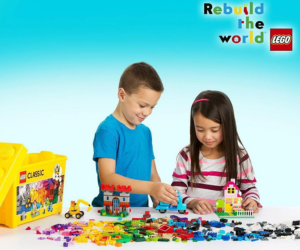
LEGO can also provide an opportunity for shared activities between family members and friends. Building a set together creates a structured project where people can divide tasks, discuss ideas, and work toward a common result. Parents and children can participate at different stages, while older siblings or friends can collaborate on larger models. The activity can encourage communication without requiring everyone to follow exactly the same approach. Smaller sets may be suitable for shorter sessions, whereas larger projects can become weekend activities. Because the finished model provides a visible outcome, collaborative building can feel rewarding while also creating an opportunity to spend time together away from more passive forms of entertainment.
Value Depends On Your Purpose
The value of a LEGO set can depend greatly on what the buyer expects from it. Someone looking for a quick creative activity may prefer a smaller and simpler set, while a dedicated hobbyist might appreciate a larger model with greater complexity. Price, piece count, building time, display value, and theme are useful factors to consider before purchasing. It is also worth considering whether the finished model will remain on display or whether the pieces will eventually be reused for other creations. For families, age suitability and building difficulty can be particularly important. Looking at these factors together helps buyers choose an experience that matches their interests rather than focusing only on the appearance of a set.
Conclusion: Creativity Remains The Biggest Attraction

LEGO continues to stand out because it combines structured construction with opportunities for personal creativity. Its broad selection of themes means different users can approach building in ways that suit their interests, while the reusable nature of the pieces encourages experimentation long after a set has been completed. The activity can support concentration, problem-solving, patience, and collaboration while remaining enjoyable as a hobby. Collectors may appreciate the finished models, families can use sets for shared activities, and individual builders can simply enjoy creating something with their hands. Ultimately, the appeal comes from the freedom to build, rebuild, modify, and imagine, giving the experience lasting versatility across different ages.