



ABCmouse is a digital learning platform designed primarily for young children, offering educational activities across subjects such as reading, mathematics, science, art, and music. From a review perspective, one of its noticeable strengths is the variety of interactive content available within a single learning environment. Instead of relying only on traditional lessons, the platform combines games, puzzles, songs, books, videos, and other activities to keep children involved. The colorful interface is designed to feel approachable for younger learners, while parents can use progress-related features to understand how their child is engaging with lessons. The overall experience can be useful for families looking for an organized supplement to everyday learning at home.
Interactive Lessons Make Learning More Engaging
One of the main features of ABCmouse is its emphasis on interactive learning. Children can move through activities that encourage them to practice concepts instead of simply reading explanations or watching lessons. Mathematics activities may introduce counting, numbers, shapes, and basic problem-solving, while language-focused exercises can support vocabulary, letters, phonics, and early reading skills. Other sections introduce children to science, social studies, art, and music. This variety can help prevent learning sessions from becoming repetitive. Interactive activities are particularly useful for younger children who may respond better to visual and hands-on experiences. Parents can also choose activities based on their child’s interests, allowing learning time to feel more flexible rather than following one rigid routine.
Learning Paths Provide Helpful Structure
ABCmouse provides structured learning experiences that can help children progress through age-appropriate educational concepts. A defined sequence can be helpful for parents who are unsure where to begin or which activities to introduce first. Rather than selecting unrelated games every day, families can use organized learning paths to create a more consistent routine. The platform also offers a substantial amount of educational material, giving children opportunities to revisit concepts and practice skills repeatedly. Repetition can be valuable during early learning because children often need several opportunities to understand and apply a new idea. At the same time, parents may want to adjust the pace according to their child’s individual abilities, interests, and existing knowledge.
Wide Content Variety Supports Different Interests
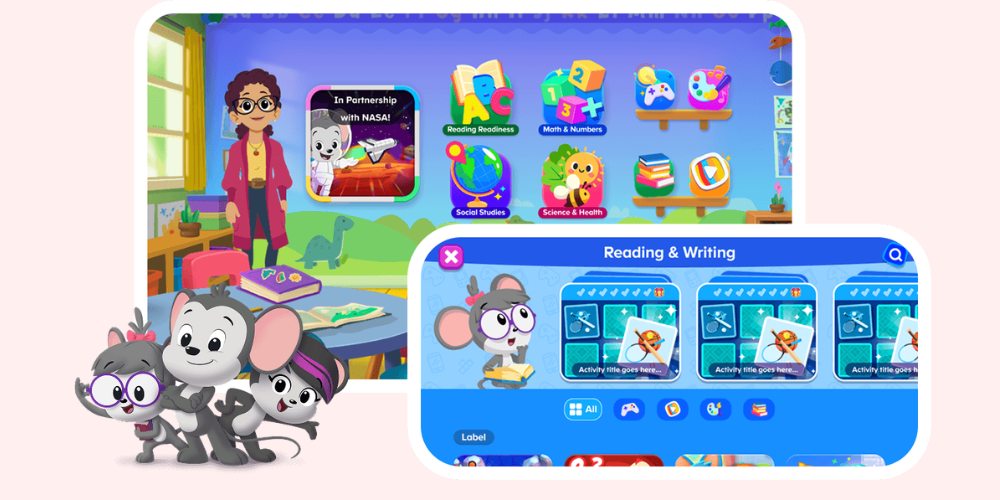
Children have different learning preferences, and ABCmouse’s broad content library gives families multiple ways to explore educational topics. A child who enjoys stories may spend more time with digital books, while another may prefer mathematics games, songs, art activities, or science-based lessons. This range can make it easier to introduce subjects that might otherwise receive less attention at home. The platform’s combination of academic and creative activities also creates opportunities for children to develop different skills rather than concentrating exclusively on traditional school subjects. However, having many choices can sometimes make the experience feel overwhelming for younger users. Parents may find it useful to guide children toward selected activities instead of allowing unlimited browsing without direction.
Parent Features Help Track Child Progress
For parents, understanding whether educational screen time is actually productive is an important consideration. ABCmouse includes features intended to help adults monitor learning activity and follow a child’s progress. These tools can provide useful context about completed activities and areas where additional practice may be appropriate. Progress information can also help parents identify subjects that their child enjoys or topics that may require more encouragement. This makes the platform more practical as a supplement to regular learning rather than simply another entertainment application. Parents should still remain involved, particularly with younger children, because digital learning works best when activities are combined with conversations, reading together, writing practice, and real-world experiences outside the screen.
Flexible Activities Fit Everyday Learning Routines
Another advantage of a digital platform is the flexibility it can provide for different household schedules. Families can use ABCmouse during short learning sessions, after-school practice, or longer periods dedicated to educational activities. Because content is available across multiple subjects, parents can adjust sessions according to what their child needs on a particular day. For example, a family might focus on reading practice one day and explore science or creative activities another day. This flexibility can make it easier to maintain consistency without requiring a completely separate resource for every subject. Still, children benefit from balance, so digital lessons should ideally complement physical play, outdoor activities, social interaction, creative projects, and other forms of learning.
Making Digital Learning More Meaningful
ABCmouse can be most effective when parents treat it as one component of a broader educational routine. Digital activities can introduce concepts, reinforce classroom learning, or provide additional practice, but children also need opportunities to apply their knowledge away from a screen. Parents can extend lessons by asking questions about a story, practicing numbers while shopping, discussing animals after a science activity, or encouraging children to create their own artwork. These simple activities can turn an individual digital lesson into a larger learning experience. Setting reasonable screen-time boundaries may also help children maintain healthy routines. With appropriate guidance, educational technology can become a useful tool without replacing the personal interaction and practical experiences that are essential during childhood.
Conclusion: Is ABCmouse Worth Exploring?
ABCmouse offers families a broad collection of educational activities within one digital learning environment. Its interactive lessons, organized learning paths, varied subjects, and parent-focused progress features make it a potentially useful resource for early learners. The platform can provide additional practice and introduce children to concepts through games, stories, videos, music, and creative activities. Its usefulness ultimately depends on how well it matches a child’s age, interests, learning needs, and daily routine. Parents should consider digital learning as a supplement rather than a complete replacement for traditional educational experiences. When combined with reading, conversation, physical activity, creative play, and parental involvement, ABCmouse can become a practical addition to a child’s overall learning routine.