
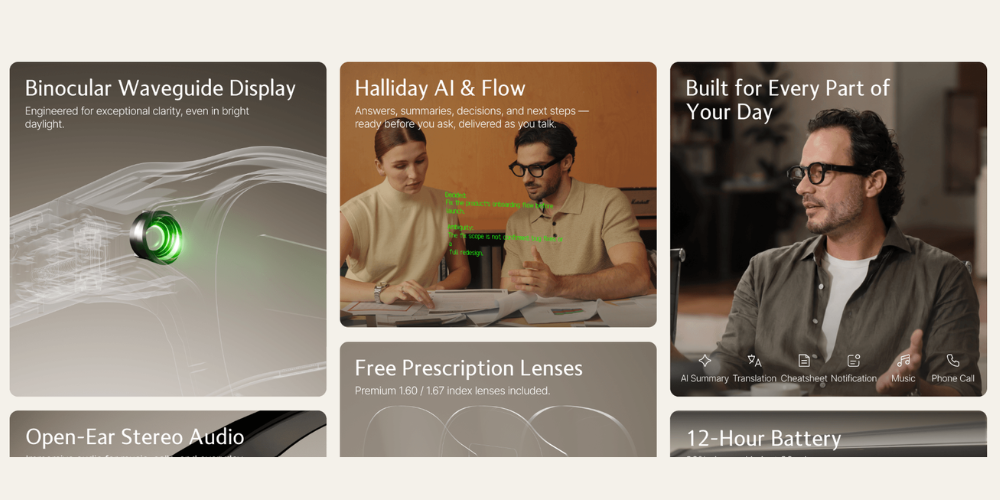
Technology continues to become smaller, more personal, and increasingly integrated into everyday routines. Halliday is part of this movement, exploring how artificial intelligence and smart eyewear can work together without making technology feel intrusive. The brand focuses on creating glasses that maintain the familiar experience of traditional eyewear while introducing intelligent assistance for modern users. Instead of requiring people to constantly look at a phone, the concept is centered around providing useful information more naturally. This approach reflects a broader shift toward wearable technology that can support productivity, communication, and daily activities. As artificial intelligence becomes more accessible, products such as Halliday’s smart glasses demonstrate how digital assistance could become a more natural part of everyday life.
Smart Technology Designed For Daily Life
Smart devices are most useful when they fit naturally into existing routines. Halliday approaches wearable technology with this principle by developing glasses intended to provide assistance while users continue with their normal activities. The idea is not simply to add more technology, but to make useful digital functions available without requiring constant interaction with another screen. This can be particularly relevant for people who spend their days communicating, working, traveling, or managing multiple tasks. Wearable technology can potentially reduce interruptions by bringing certain information closer to the user. Halliday’s concept reflects this direction, combining the appearance of familiar eyewear with intelligent features intended to support different everyday situations while maintaining a relatively subtle technological presence.
Artificial Intelligence Meets Modern Eyewear
Artificial intelligence has expanded beyond smartphones and computers into products designed for more personal use. Smart glasses represent one of the areas where AI can become part of ordinary activities, offering contextual assistance through a wearable format. Halliday explores this possibility by connecting intelligent functions with eyewear rather than relying entirely on handheld devices. Such technology can potentially help users access information while remaining focused on their surroundings. The combination also illustrates how AI is becoming less dependent on traditional interfaces such as keyboards and touchscreens. As voice interaction, contextual computing, and miniature displays continue developing, smart eyewear could become another way for people to interact with digital services. Halliday’s approach fits within this broader evolution of personal technology.
A Different Approach To Smart Displays
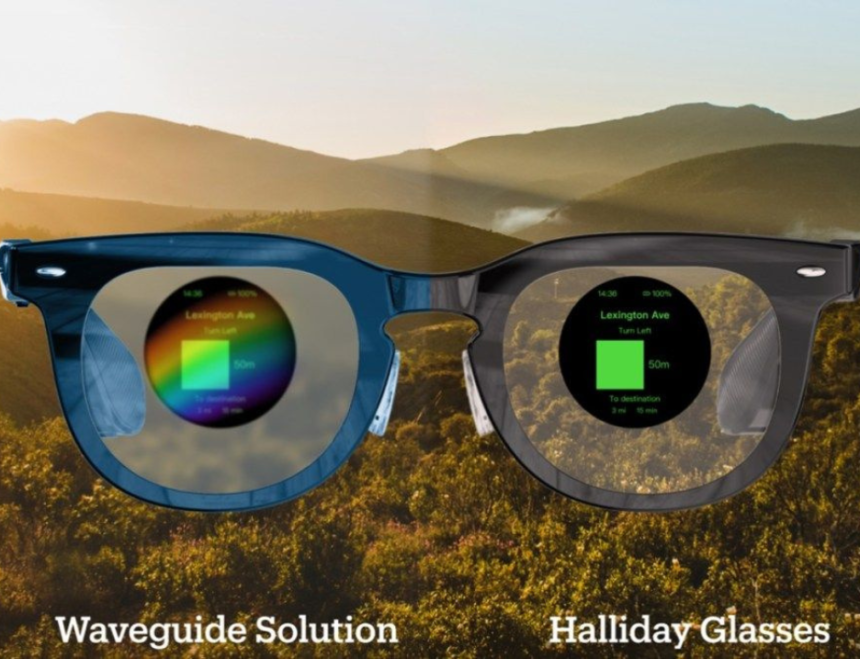
One challenge with smart glasses is creating useful visual technology without making the device feel cumbersome. Halliday’s approach emphasizes a discreet display concept designed to provide information without turning the glasses into an obvious headset. This reflects an important consideration for wearable products because appearance, comfort, and convenience can influence whether people actually use them regularly. A smaller display can support quick access to information while allowing users to remain engaged with their surroundings. At the same time, users may have different expectations regarding screen size, visibility, and the amount of information available. Halliday’s design direction therefore represents an effort to balance technological capability with the everyday characteristics people typically expect from a pair of glasses.
Supporting Communication And Productivity

Communication is one area where wearable technology can potentially provide practical assistance. Meetings, conversations, presentations, and collaborative work often require people to remember information while simultaneously listening and responding. Having intelligent assistance available through eyewear could offer another way to manage these demands without repeatedly reaching for a smartphone or computer. Halliday’s focus on conversational and productivity-oriented applications reflects this potential use case. The concept may be relevant to professionals who regularly move between different discussions and tasks throughout the day. Beyond professional environments, similar technology could eventually support everyday situations where hands-free access to information is convenient. The broader appeal lies in making digital assistance available while allowing the user to remain engaged with the activity taking place around them.
Wearable Design Balances Function And Style
For wearable technology to become part of everyday life, functionality needs to coexist with comfortable design. Unlike devices that are used only occasionally, glasses are worn directly on the face, making factors such as weight, appearance, fit, and usability particularly important. Halliday’s product direction acknowledges this by combining smart functions with an eyewear-inspired form. A familiar design can make technology feel less disruptive and potentially more suitable for regular use. However, individual preferences naturally vary, and factors such as frame style, prescription requirements, battery performance, and software compatibility can influence the overall experience. As the smart-glasses category develops, successful products will likely need to offer a combination of useful features and practical everyday design rather than focusing exclusively on technical specifications.
Smart Glasses And Future Digital Experiences
The development of products like Halliday points toward a future where digital interactions may become increasingly hands-free. Smartphones have already transformed how people communicate, work, shop, navigate, and access information. Smart glasses could extend some of these capabilities into a wearable environment, potentially reducing dependence on handheld screens for certain tasks. Artificial intelligence may further expand what these devices can accomplish by interpreting conversations, recognizing context, and delivering relevant information. However, widespread adoption will also depend on factors such as privacy, reliability, affordability, battery life, and user comfort. These considerations will shape how quickly smart eyewear develops from an emerging category into a familiar consumer technology. Halliday represents one example of this continuing exploration of more integrated digital experiences.
Halliday Conclusion And The Future Ahead
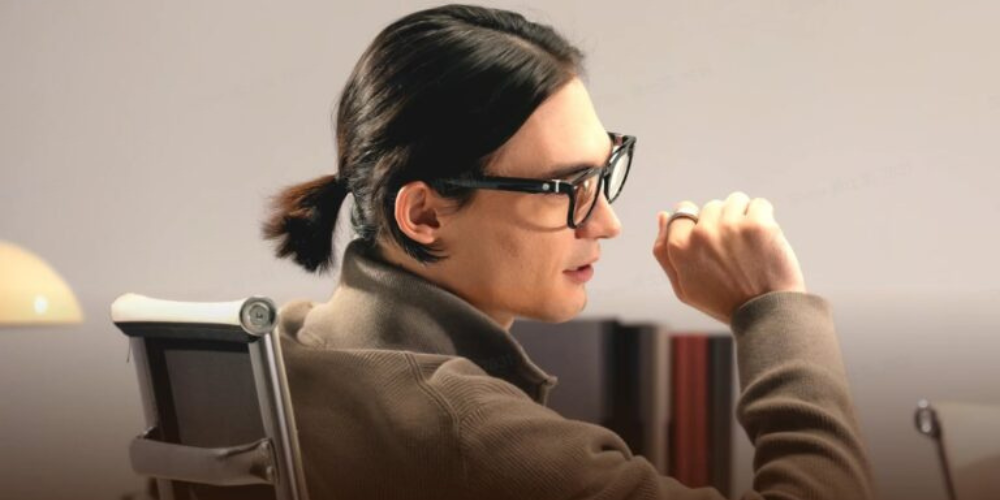
Halliday reflects the growing interest in combining artificial intelligence with technology people can comfortably use throughout the day. Its focus on smart eyewear demonstrates how digital assistance can move beyond traditional screens and become part of a more natural, wearable experience. By emphasizing discreet technology, communication, productivity, and everyday usability, the brand contributes to an evolving conversation about the future of personal devices. Smart glasses are still developing, and their long-term role will depend on technological progress as well as how consumers respond to practical concerns such as comfort, privacy, reliability, and convenience. As AI continues to influence consumer technology, Halliday offers an example of how eyewear could become another interface between people and the digital world.