

Trainline is a popular digital platform designed to make train and coach travel easier to plan and book. Instead of visiting different railway websites individually, travelers can use the service to compare routes, schedules, prices, and available travel options in one place. Its interface is built around convenience, allowing users to search journeys, select suitable departures, purchase tickets, and manage bookings digitally. For travelers who regularly use public transportation, having these features together can reduce the effort involved in organizing trips. This review looks at Trainline’s overall experience, including its booking process, journey planning tools, mobile features, pricing approach, and usefulness for different types of travelers.
Easy Search And Journey Planning Features
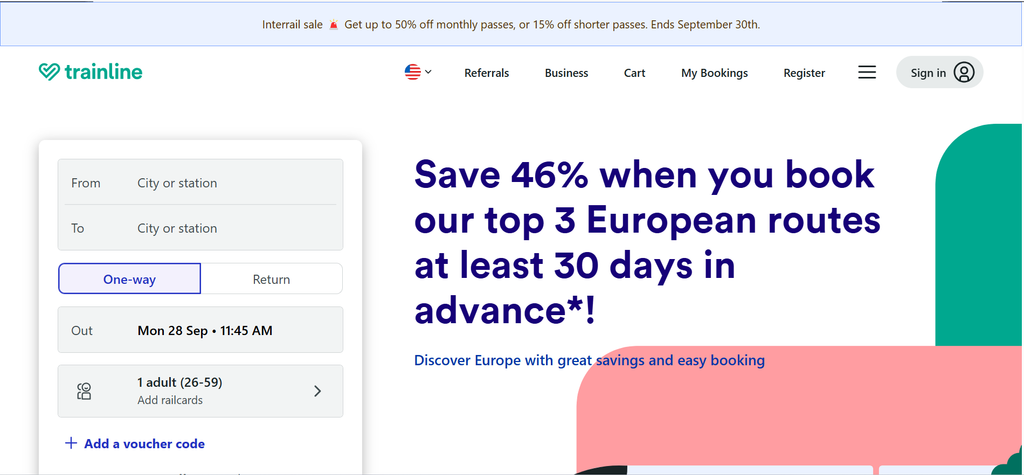
One of Trainline’s main strengths is its straightforward journey search system. Users can enter departure and arrival destinations, choose travel dates, and browse available services based on their requirements. Results generally provide useful information such as departure times, journey duration, changes, and ticket options. This makes it easier to compare different departures without opening several transport websites. The platform can be particularly useful when travelers have flexible schedules and want to identify convenient alternatives. Its focus on presenting travel information in a single interface also makes planning less complicated. Whether someone is arranging a short domestic journey or a longer European rail trip, the search functionality provides a practical starting point for comparing available travel choices.
Booking Process Designed For Convenience
Trainline’s booking process is designed to keep ticket purchasing relatively simple. After selecting a suitable journey, travelers can review the available fare and proceed through the checkout process. Digital ticketing can also make travel more convenient because passengers may not always need to handle physical documents. Depending on the journey and transport operator, tickets and booking information can be accessed electronically. The platform also provides booking details that help travelers keep track of their selected service. For people who prefer arranging trips through their phones or computers, this approach can save time. However, travelers should always review fare conditions, cancellation policies, and any additional charges before completing a purchase.
Comparing Prices And Available Travel Options
Price comparison is an important part of Trainline’s appeal. Travelers can often view multiple departures and fare choices when searching for a route, allowing them to consider both cost and convenience. The cheapest option may not always provide the most convenient departure time, while a slightly different service could offer a better balance between price and journey duration. Having these choices visible together can help users make informed travel arrangements. It is also worth remembering that fares can vary according to demand, timing, availability, operator rules, and ticket conditions. Therefore, passengers should compare the complete terms of each option rather than focusing only on the headline price displayed during the initial search.
Mobile Features Make Trips Easier

For travelers who manage most activities through their smartphones, Trainline’s mobile experience can be useful throughout the journey. Booking information, ticket details, and travel updates can be easier to access when they are stored digitally. This reduces the need to search through emails or carry printed documents. A mobile-first approach is especially practical when passengers are already moving between stations and need quick access to their journey information. Notifications and updates can also help users stay aware of changes to their travel plans, where available. While mobile convenience does not replace the importance of checking station information and operator announcements, having key booking details available from one place can make the overall travel process more organized.
Helpful For European Rail Travelers
Trainline can be particularly relevant to travelers planning journeys across European rail networks. Instead of researching every individual railway operator separately, users can search routes involving different services through one platform where supported. This can be helpful for tourists building multi-city itineraries or travelers who are unfamiliar with local rail systems. Comparing departure times and journey durations can make it easier to structure a trip around sightseeing, accommodation, or connecting transportation. However, coverage and ticket conditions can differ between operators and countries. Travelers planning international journeys should therefore check the specific requirements associated with their tickets, including seat reservations, identification documents, boarding procedures, and restrictions that may apply to particular services.
Customer Experience And Important Considerations
Trainline provides a convenient way to organize many aspects of train and coach travel, but users should still pay attention to the details of each booking. Different transport operators can have different rules regarding refunds, changes, seat reservations, luggage, and ticket validity. Understanding these conditions before payment can prevent confusion later. Customer support and self-service booking management can also become important when plans change unexpectedly. The overall experience may therefore depend partly on the individual operator involved in a journey rather than Trainline alone. For straightforward trips, the platform can reduce planning effort considerably. For complicated itineraries or bookings with restrictive conditions, travelers may benefit from carefully reviewing all available information before confirming their purchase.
Conclusion: Is Trainline Worth Considering?
Trainline offers a convenient digital approach to researching and booking train and coach journeys. Its centralized search experience, digital ticketing, journey comparison tools, and mobile accessibility can make travel planning more manageable. The platform is particularly useful for people who want to compare multiple departures without navigating numerous transport websites separately. At the same time, users should review fare rules, refund conditions, operator policies, and the final cost before completing a booking. Trainline is best viewed as a practical travel-planning and ticket-booking platform that brings many journey details together. For travelers who value convenience and organized digital access to transport information, it can be a useful option to consider.