

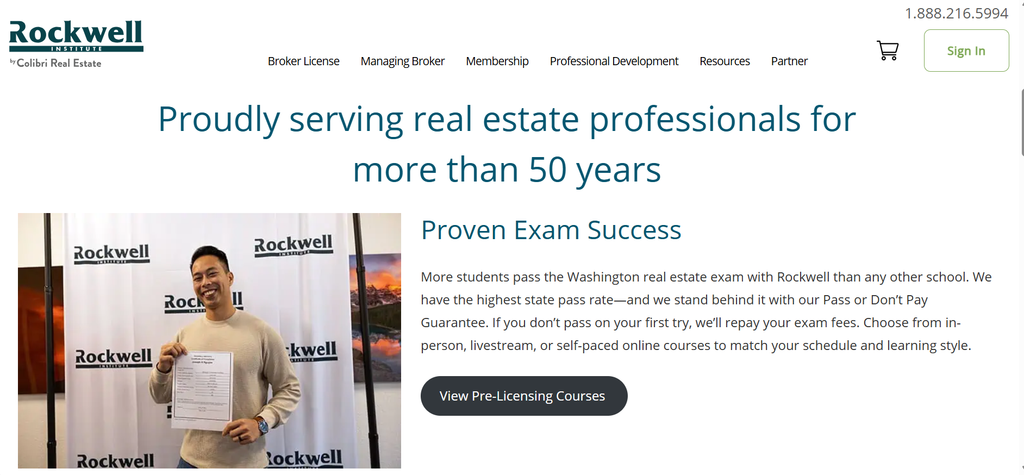
Building a career in real estate begins with developing a strong understanding of the industry. Rockwell Institute provides education focused on helping aspiring real estate professionals learn the knowledge required for their licensing journey. Real estate involves many areas, including property transactions, contracts, financing, regulations, ethics, and client relationships. Having access to organized educational material can make these subjects easier to understand and study. Rockwell Institute is designed around this learning process, giving students a dedicated environment for developing foundational knowledge. Whether someone is completely new to the industry or preparing to complete licensing requirements, structured education can provide direction and establish useful habits for continued professional development in the competitive real estate field.
Building Knowledge Through Structured Education
A structured curriculum can make professional education easier to approach because students can progress through topics in a logical order. Real estate learners need to become familiar with terminology, laws, contracts, property ownership, financing principles, and transaction procedures. Studying these areas individually can sometimes become confusing without a clear framework. Rockwell Institute focuses on organizing real estate education around relevant subjects so students can develop their understanding step by step. This type of approach may be particularly helpful for individuals who prefer having defined coursework and learning objectives. Instead of depending entirely on disconnected online information, students can follow a consistent educational pathway while gradually developing the knowledge needed for their future responsibilities.
Preparing Students For Real Estate Careers
Real estate education can serve as an important starting point for people considering careers in property sales and related fields. Before working with clients, professionals need to understand the rules and responsibilities associated with real estate transactions. Educational programs can introduce students to these concepts while helping them become familiar with the terminology used throughout the industry. Rockwell Institute provides a specialized setting where aspiring professionals can concentrate on real estate subjects rather than navigating unrelated educational resources. Learning the fundamentals can also help students recognize areas that require additional study and practice. Although formal education cannot replace practical experience, it can establish a foundation that learners can continue building through professional opportunities and real-world interactions.
Flexible Approaches To Modern Learning

People enter real estate from different backgrounds, and their educational needs can vary considerably. Some learners may prefer direct instruction, while others value the convenience of studying through flexible formats. Educational flexibility can be especially useful for working adults, career changers, and students managing family or personal commitments alongside their professional goals. Rockwell Institute offers approaches intended to accommodate different learning preferences and schedules. Having flexibility can allow students to organize their study time around existing responsibilities while continuing to work toward their educational objectives. Regardless of the chosen format, maintaining a consistent study routine remains important. Learners who regularly review material and stay engaged with their coursework may find it easier to manage the demands of professional preparation.
Understanding Essential Real Estate Concepts
Real estate professionals work with concepts that affect buyers, sellers, property owners, and other participants in transactions. Students therefore need more than a basic familiarity with industry vocabulary. They may need to understand contracts, property rights, financing, disclosures, regulations, agency relationships, and ethical responsibilities. Organized education can help bring these subjects together and show how different concepts relate to one another. Rockwell Institute’s real estate-focused programs provide students with opportunities to study these foundational areas as part of their educational preparation. Developing this knowledge can help learners approach future professional situations with greater awareness. Continued learning is also important because real estate practices, regulations, technology, and market conditions can change over time.
Resources Can Strengthen Student Preparation
Educational resources play an important role in helping students review information and reinforce difficult concepts. Reading materials, coursework, instructional guidance, and practice opportunities can give learners different ways to engage with the subject matter. Some students understand concepts quickly, while others benefit from repeated explanations and additional practice. A dedicated education provider can give students a more organized environment for addressing these differences. Rockwell Institute’s focus on real estate education allows learners to concentrate on relevant subjects throughout their preparation. Students can also take responsibility for their progress by reviewing lessons regularly, identifying challenging topics, and dedicating additional time to areas where their understanding needs improvement. Consistent preparation can complement the resources provided through formal education.
Supporting Long Term Professional Development
Education does not necessarily end when a student completes licensing requirements. Real estate professionals continue developing their skills as they encounter different properties, clients, transactions, and market conditions. The foundational knowledge gained during formal coursework can provide a starting point for this ongoing development. Rockwell Institute’s educational focus can help aspiring professionals become familiar with the principles that underpin real estate work. As careers progress, individuals may expand their knowledge through additional education, professional experience, networking, and industry resources. Building a habit of continuous learning can be particularly valuable in a field influenced by regulatory changes, economic conditions, technology, and evolving consumer expectations. Strong fundamentals can therefore remain useful well beyond the initial training period.
Conclusion: A Foundation For Real Estate Growth

Rockwell Institute represents a structured approach to real estate education for individuals interested in developing industry knowledge and preparing for professional opportunities. Its emphasis on organized coursework and specialized learning can help students become familiar with important concepts before entering the field. Flexible educational approaches may also make it easier for people with different schedules and backgrounds to pursue their goals. At the same time, professional growth requires more than completing coursework. Students benefit from consistent study, practical experience, continued education, and an ongoing interest in industry developments. For aspiring real estate professionals, building a solid educational foundation can be an important early step toward understanding the responsibilities, opportunities, and changing landscape of the property industry.