
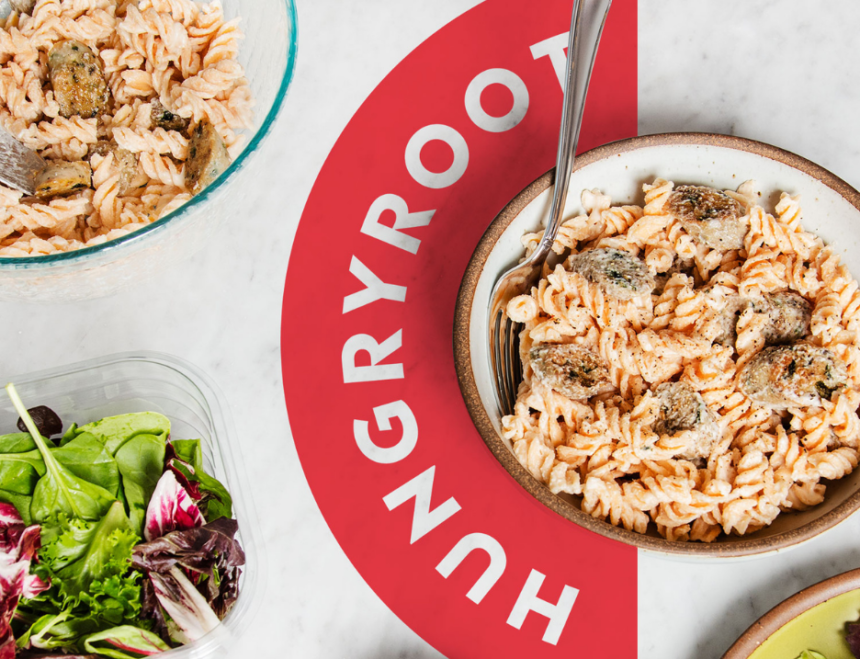
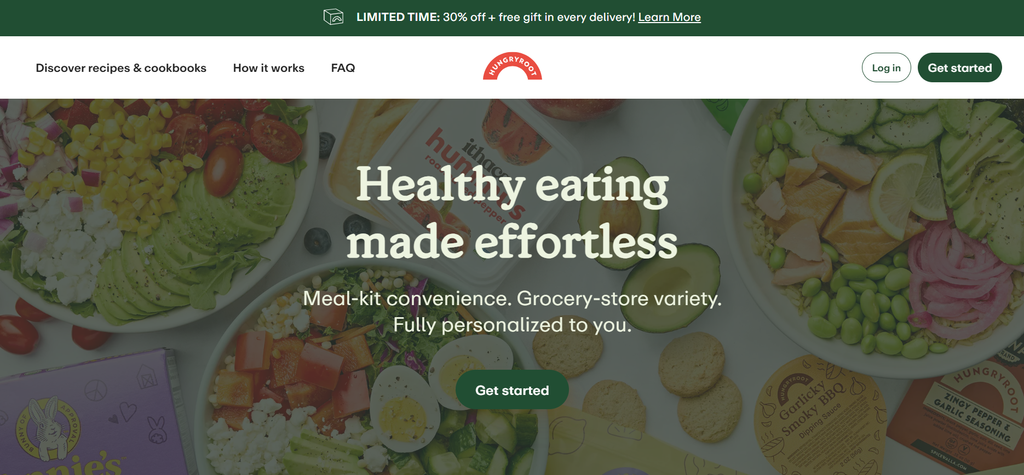
Hungryroot is a food delivery service designed to combine the convenience of meal kits with the variety of an online grocery store. Instead of sending only pre-portioned ingredients, the platform offers groceries, recipes, and ready-made meals that can be customized around individual preferences. Customers begin by answering questions about their eating habits, dietary needs, goals, and preferences. Hungryroot then uses this information to create a personalized weekly cart. Users can review, remove, or replace recommended products before delivery. The service currently features thousands of grocery products and more than 50,000 chef-crafted recipes, giving customers considerable choice while reducing the time normally spent planning meals and shopping.
Personalized Grocery Shopping With Hungryroot
One of Hungryroot’s most distinctive features is its personalized shopping approach. After completing the initial quiz, customers receive grocery and recipe recommendations based on their preferences and dietary requirements. The SmartCart system can automatically assemble a weekly order, while customers remain free to edit the selection before it ships. This creates a balance between automation and personal control. Shoppers can choose specific groceries, browse recipes, or modify recommendations when their needs change. Dietary preferences supported by the service include options such as vegetarian, vegan, gluten-free, dairy-free, high-protein, and less-sugar choices. For people who dislike starting grocery planning from scratch, this personalized structure can make weekly food decisions considerably easier.
Variety Of Meals And Grocery Choices
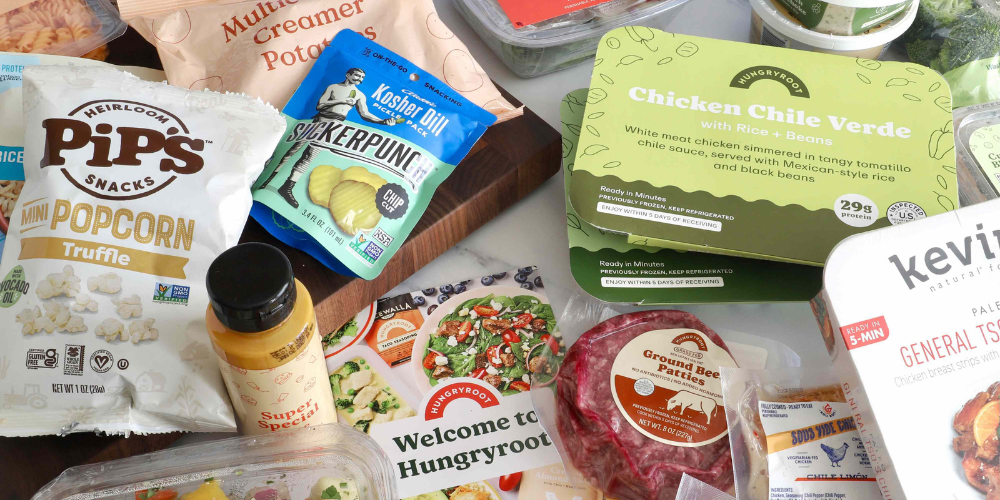
Variety is another important part of the Hungryroot experience. The service combines traditional grocery staples with ingredients designed around simple recipes and convenient meals. Customers can find produce, proteins, dairy products, snacks, beverages, sweets, pantry items, and prepared options in one place. Hungryroot also offers shoppable recipes where the necessary ingredients can be added to a cart, helping connect meal inspiration with grocery purchasing. The company says its catalog includes more than 50,000 chef-crafted recipes, while its current offerings also include ready-to-eat salads, grain bowls, oven-ready meals, and quick microwavable choices. This broad selection makes the platform different from conventional meal-kit services that generally focus on a limited number of weekly recipes.
Simple Recipes For Busy Everyday Schedules
For people with demanding schedules, preparation time can strongly influence whether a meal plan is practical. Hungryroot focuses on recipes that are designed to be straightforward, with many meals taking only a short amount of time to prepare. The platform currently showcases recipes that can be completed in roughly 10 to 15 minutes, depending on the dish. Examples include bowls, pasta dishes, sandwiches, stir-fries, and other combinations that use prepared or simplified ingredients. This approach can reduce chopping, measuring, and extensive preparation. It may be particularly useful for professionals, families, or anyone who wants to cook at home without spending a large part of the evening in the kitchen.
Pricing, Flexibility, And Subscription Control
Hungryroot uses a customizable subscription model rather than one fixed package for every customer. Current Hungryroot information lists meals and grocery categories at different per-serving prices, including breakfast from $3.99, lunch from $5.99, and dinner from $8.99. Actual weekly spending depends on the size of the order and the products selected. Customers can also edit their carts before the applicable shopping deadline. Another useful feature is subscription flexibility: deliveries can be skipped, paused, rescheduled, or canceled. This makes the service more adaptable than a rigid weekly commitment. However, customers should review their cart and final total before each order because changing the contents can affect the amount charged for that delivery.
Food Quality And Dietary Considerations
Hungryroot places considerable emphasis on ingredient standards and dietary customization. The company says it screens out more than 200 ingredients, including artificial dyes, certain additives, preservatives, hydrogenated oils, and artificial sweeteners. Its catalog also includes products from recognizable brands alongside Hungryroot’s own offerings. Customers can use dietary filters and preferences to find foods suited to different eating patterns and restrictions. At the same time, shoppers should still check individual product labels when dealing with allergies or specific nutritional requirements, because personal dietary needs can vary significantly. Overall, Hungryroot’s combination of grocery choices, nutritional information, and preference-based recommendations gives customers several tools for building meals that align with their everyday eating habits and personal requirements.
Final Hungryroot Review And Conclusion
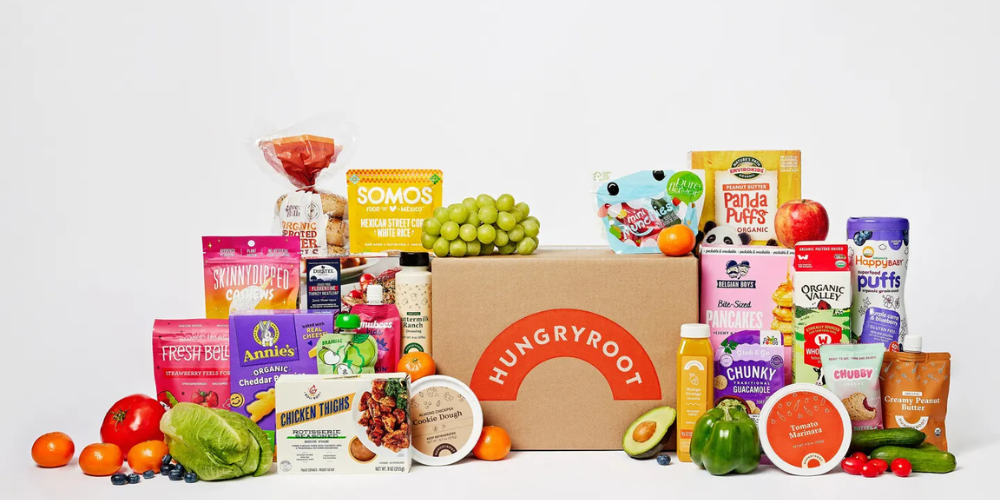
Hungryroot presents a practical alternative for people who want the convenience of food delivery without giving up the variety associated with grocery shopping. Its biggest distinguishing feature is the combination of personalized recommendations, groceries, recipes, and prepared foods within one service. The ability to edit deliveries, skip weeks, or cancel also provides flexibility for changing schedules. Pricing varies according to the selected products and order size, so customers should consider their individual grocery habits when deciding whether the service fits their budget. Overall, Hungryroot offers a streamlined approach to weekly food planning, particularly for customers who value convenience, quick recipes, dietary customization, and having multiple food choices delivered directly to their door.